Matcha has gotten popular enough that it was only a matter of time before the market got a little messy. Cheaper powders blended with food coloring, low grade tea leaves passed off as premium, tins that look convincing until you actually open them. If you have ever wondered whether the tin sitting in your kitchen is the real thing, you are asking the right question.
Here is exactly how to spot fake matcha before you buy, so your money actually goes toward what the label promises.
What Adulterated Matcha Actually Means
Adulterated matcha usually falls into one of a few categories, and knowing the difference helps you shop smarter.
- Matcha mixed or diluted with cheaper green tea powder to stretch the product
- Matcha with added food coloring to fake a vibrant green when the actual leaf quality is dull or aged
- Culinary grade matcha sold and priced as if it were ceremonial grade
- Matcha exposed to poor storage or long shelf time, sold without disclosing how old or degraded it actually is
None of these are always intentional. Sometimes it is simply a lower quality product cutting corners rather than an outright scam. Either way, the result for you is the same, a weaker, less authentic cup than what you paid for.
How to Tell if Matcha Is Real
A few genuinely reliable checks you can do at home, no lab equipment required.
- Look at the color. Genuine, high quality matcha should be a vivid, almost electric green. Dull, yellowish, or brownish tones usually signal older leaves, poor storage, or lower grade tea
- Check the texture. Real matcha is extremely fine, almost like talcum powder. If it feels grainy or clumpy between your fingers, that is a red flag
- Smell it. Genuine matcha smells fresh, slightly grassy, and a little sweet. A stale, flat, or overly bitter smell before you have even whisked it is a warning sign
- Read the label closely. Genuine matcha should list a single ingredient, matcha green tea powder, nothing else
Matcha Color Test
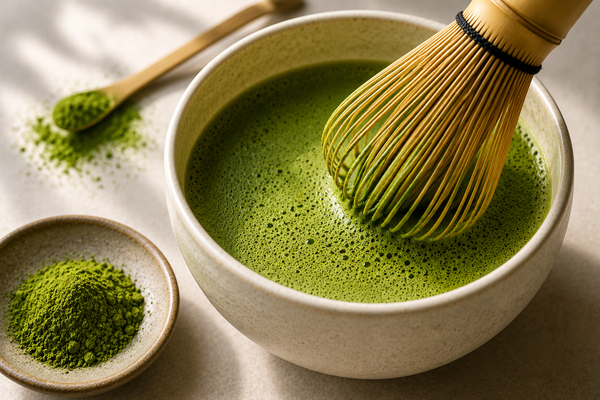
If you want the fastest way to judge quality at a glance, the color test is it. Hold the powder up to natural light if you can. Vibrant, almost neon green usually means young, shade grown leaves and proper stone grinding. A dull or yellow tinge often means older leaves, sun exposure during growing, or degraded storage, none of which belong in a genuinely premium product.
Fake Matcha Ingredients to Watch For
The ingredient list is one of the easiest ways to catch a problem before you even open the tin.
- Added sugar or sweeteners in something labeled as pure matcha
- Artificial coloring agents, sometimes listed under color codes rather than plain language
- Maltodextrin or other filler powders used to bulk up the product
- Vague labeling like "green tea blend" instead of clearly stating 100 percent matcha
If you see any of these on a tin marketed as ceremonial grade, that is a strong sign it is not what it claims to be.
Genuine Matcha vs Fake Matcha, Grade Matters Too
A big part of the fake matcha problem is not always about outright fraud, it is about grade confusion. Culinary grade matcha, meant for baking and blending with strong flavors, often gets marketed and priced like ceremonial grade, meant to be whisked and enjoyed on its own. We break down exactly what separates the two in our guide on Ceremonial Grade Matcha vs Culinary Grade Matcha, worth reading before your next purchase so you know exactly what grade you are actually paying for.
What to Look for Instead
Once you know what to avoid, here is what genuine, well sourced matcha should actually look like.
- Single ingredient labeling, just matcha, nothing else
- Clear sourcing information, ideally naming the specific region or farm
- Vibrant green color and a fine, smooth texture straight out of the tin
- Transparent grading, clearly stated as ceremonial or culinary, not left vague
Our own Ceremonial Grade Matcha ( AAA ) is stone ground and single origin, with full sourcing transparency, exactly the opposite of the blended, unclear products this guide is warning you about.
Is My Matcha Real or Fake
If you are still unsure after checking color, texture, and smell, trust your first cup. Genuine matcha whisks into a smooth, light foam and tastes naturally sweet with a gentle bitterness, not harsh or flat. If it tastes artificially sweet, oddly metallic, or strangely bland despite a bright green color, something is likely off, possibly added coloring or flavoring masking a lower quality base.
Cha exists precisely because this kind of confusion shouldn't be the norm, matcha should be simple to trust, not something you need a checklist to defend yourself against.
Buying With Confidence
Once you know what to look for, protecting yourself gets a lot easier. Buy from sources that are transparent about sourcing and grading, check labels closely, and trust your senses once the tin is actually open. If you are looking for a source you already know meets these standards, our Best Matcha in India page is a good place to start. And if you want everything set up correctly from day one, the CHÃ Ritual Matcha Kit takes the guesswork out of it entirely.
Frequently Asked Questions
How can I tell if my matcha is real or fake?
Check the color, genuine matcha should be vivid green, not dull or yellow. Check the texture, it should be extremely fine, not grainy. And check the label, it should list only matcha as an ingredient.
What is adulterated matcha?
Adulterated matcha refers to matcha diluted with cheaper tea powder, mixed with added coloring or sweeteners, or mislabeled by grade to appear more premium than it actually is.
What ingredients should I avoid in matcha?
Watch for added sugar, artificial coloring, maltodextrin or other fillers, and vague labeling like "green tea blend" instead of a clear, single ingredient matcha listing.
Does the color of matcha really indicate quality?
Yes, largely. Vibrant, almost neon green usually signals young, shade grown leaves and proper processing, while dull or yellowish tones often point to older leaves or poor storage.