Every couple of years, the internet picks a new object to lose its mind over. For a while, it was the Stanley cup. Rows of them in every pastel shade, restocks that felt like concert ticket drops, people genuinely camping outside stores for a tumbler. And somewhere in the middle of that chaos, quietly, without a single restock frenzy, matcha became the drink half the people holding those cups were actually filling them with.
So here is the real question nobody asked out loud. In the matcha vs Stanley cup debate, which one is actually the trend, and which one just happened to be standing next to it?
The Stanley Cup Trend, What Actually Happened
Let's give the tumbler its due credit first. The Stanley cup trend was genuinely impressive as a marketing and culture moment. A decades old, fairly unremarkable water bottle brand became a full blown identity marker almost overnight. Color drops sold out in minutes. It became less about hydration and more about which shelf color you had, which sticker pack you'd customized it with, which version signaled you were early to the trend versus late.
That is the nature of an object trend though. It lives and dies on scarcity, color releases, and social proof. Once everyone has one, the thrill fades fast, and the next object takes its place on the shelf.
Matcha Trend 2026, A Very Different Kind of Viral
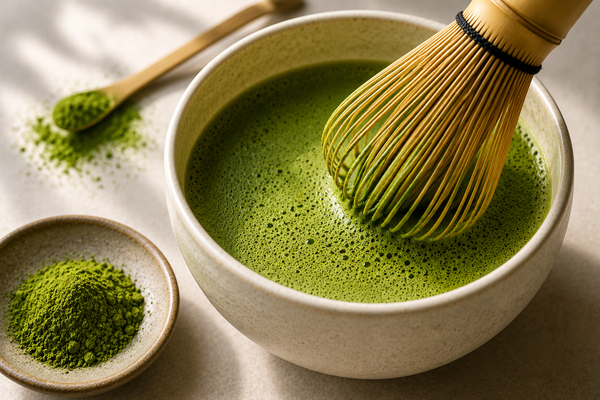
Matcha's rise looks nothing like that, and that is exactly the point. Nobody camped outside a store for a tin of matcha. There was no limited color drop, no resale market, no scarcity engineered hype cycle. Instead, matcha spread the slow way, through morning routines, through study sessions, through people quietly replacing their second coffee with something that felt calmer.
A few reasons this trend has actual staying power instead of a shelf life:
- It solves a real, recurring need, energy and focus, not a one time desire to own a specific object
- It fits into daily routine rather than sitting on a shelf as decoration once the color trend passes
- It keeps evolving, lattes, smoothies, popsicles, dirty matcha, instead of relying on limited editions to stay interesting
We actually broke down why this generation specifically gravitated toward matcha in our piece on why matcha is popular with Gen Z, worth a read if you want the fuller picture of how this shift happened.
Is Matcha Just a Trend?
Fair question, and worth answering honestly instead of defensively. Every wellness drink eventually gets accused of being a passing phase, and matcha has had centuries to prove otherwise. What is happening right now is not matcha appearing out of nowhere, it is matcha finally getting the visibility it always deserved, thanks to a generation that documents everything it drinks. The ritual itself, whisking, the color, the calm focus, has existed long before any of this was aesthetic content. That is a very different foundation than a tumbler color drop.
Clean Girl Aesthetic, Where Matcha Actually Fits
If you have scrolled anything remotely lifestyle related lately, you already know the clean girl aesthetic, slicked bun, minimal makeup, a green drink in hand. Matcha did not create that aesthetic, but it became one of its defining props, and unlike a tumbler, it is not just sitting there for the shot. It is genuinely part of the routine being filmed, whisked fresh, sipped slowly, part of the actual morning rather than a prop bought once and reused in every video.
Matcha Aesthetic vs Stanley Cup Aesthetic
Here is the real difference once you strip away the hype. A Stanley cup aesthetic is about the object itself, the color, the stickers, the flex of owning the right one. A matcha aesthetic is about a moment, a ritual, a few quiet minutes carved out of a rushed morning. One is decorative. The other is lived in daily, which is a much harder thing to fake and a much easier thing to sustain.
So, Which One Is the Real Trend?
Objects trend. Rituals stick. The Stanley cup will always have a place in trend history as a genuinely wild culture moment, but trend history is exactly where object hype eventually lands, in a drawer, replaced by whatever color drops next. Matcha never needed a drop schedule to matter. It just needed someone to actually make a cup.
Chã did not build a brand around chasing a trend cycle. It built one around the part of matcha that was never trendy in the first place, the ritual, the quiet five minutes, the cup that shows up again tomorrow whether or not it is still going viral.
If you are ready to actually make the drink everyone is holding in those photos, our Ceremonial Grade Matcha ( AAA ) is a good place to start, tumbler optional. And if you're still weighing up who to actually buy from, our Best Matcha in India page is worth a look.
Frequently Asked Questions
Is matcha just a passing trend like the Stanley cup?
Not really. Matcha's popularity is built on a daily ritual and genuine caffeine and focus benefits, not object scarcity or limited color drops, which gives it a very different kind of staying power.
Why did matcha become popular alongside the Stanley cup trend?
Both trends peaked around the same wellness and aesthetic lifestyle content wave, but matcha's rise was driven by routine and ritual, while the Stanley cup's rise was driven by object hype and collectibility.
What makes the clean girl aesthetic connected to matcha?
Matcha fits naturally into the slow, minimal morning routine associated with the clean girl aesthetic, not just as a visual prop, but as an actual part of the ritual being documented.
Will matcha stay popular after the trend cycle moves on?
Likely yes, since matcha's appeal is tied to a genuine daily habit rather than a single viral object, which tends to outlast trend driven products once the initial hype fades.