You picked up a tin of matcha. Maybe you have been making lattes with it for months. Maybe you are just getting started. Either way, at some point you hit the same wall everyone hits. Ceremonial grade or culinary grade, and what is actually the difference?
This is not a small question. The grade of ceremonial grade matcha vs culinary grade matcha you choose determines how your drink tastes, how your body responds to it, and whether your daily matcha ritual feels like something genuinely worth doing or just another wellness habit that never quite delivers.
This guide gives you the honest answer. No fluff. No filler. Just everything you need to choose the right grade and make every cup count.
What Is Ceremonial Grade Matcha?
Ceremonial grade matcha is the highest quality matcha available. It is made from the youngest, most delicate leaves of the very first spring harvest called ichibancha or first flush picked from the very tips of shade-grown tea bushes in early spring.
Those plants are shaded for 20 to 30 days before harvest. That shading is not decorative. It forces the plant to produce more chlorophyll and L-theanine in order to survive with less sunlight. The result is a leaf that is darker, softer, sweeter, and richer in every compound that makes matcha worth drinking.
After harvest the leaves are carefully de-stemmed, de-veined, and stone-ground in small batches at low speed to preserve colour, nutrients, and flavour.
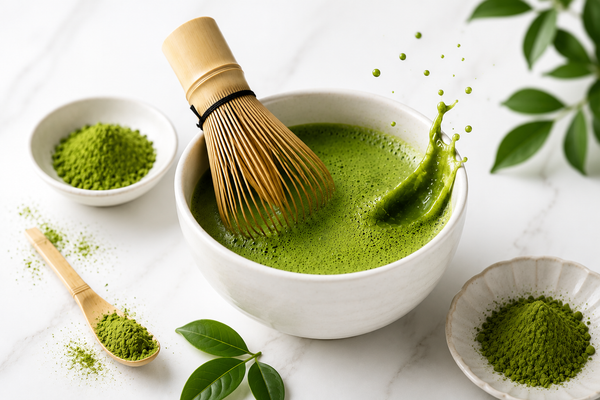
The final powder is a vivid, deep emerald green. It whisks smooth in seconds. It tastes naturally sweet with a clean umami finish. No bitterness. No harshness. Just the full, honest flavour of real matcha exactly the way it has been consumed in Japanese tea ceremonies for centuries.
CHÃ's ceremonial grade matcha (AAA) is sourced directly from Shizuoka farms shade-grown, first-harvest, stone-ground in small batches. This is what the standard looks like when there are no shortcuts.
What Is Culinary Grade Matcha?
Culinary grade matcha is made from leaves harvested later in the season, second flush (nibancha) or even third flush (sanbancha). These leaves are older, tougher, and have been exposed to more sunlight. They contain higher levels of catechins, which contribute to bitterness and astringency, and lower levels of L-theanine compared to ceremonial grade.
The powder is a duller, more yellow-green colour. The texture is slightly coarser. And the flavour is bolder, more robust, and noticeably more bitter which works when the matcha is being blended into heavily sweetened recipes where other ingredients carry the drink.
The Real Difference Between Ceremonial and Culinary Matcha
The difference between ceremonial and culinary matcha is not just about quality. It is about where each one comes from and what it was made to do.
Here is the clearest way to understand it. Think of ceremonial grade matcha as a fine sipping whiskey and culinary grade as a cooking whiskey. Both come from the same source. Both have their place. But you would not sip a cooking whiskey neat the harshness would ruin the experience. And that is exactly what happens when someone tries culinary grade matcha in plain water for the first time and walks away thinking matcha is not for them.
Same leaf. Completely different result depending on the grade.
| What you are comparing | Ceremonial Grade (AAA) | Culinary Grade |
|---|---|---|
| Harvest | First flush, early spring | Second or third flush |
| Leaf position | Tips of the plant, youngest leaves | Lower position, mature leaves |
| Shading | 20–30 days minimum | Standard or shorter shading |
| Colour | Vivid emerald green | Duller yellow-green |
| Flavour | Sweet, umami, smooth | Bold, robust, bitter |
| L-theanine | High | Lower |
| Best use | Drinking, lattes, baking | Cooking & baking only |
Ceremonial vs Culinary Grade Matcha Benefits
When people ask about ceremonial vs culinary grade matcha benefits, the conversation usually stops at flavour. It should not. The grade difference goes much deeper than taste and if you are drinking matcha daily for your wellbeing, the grade you choose determines how much of that wellbeing you actually get.
Culinary grade does the job in recipes. But for everything your body actually feels the energy, the calm, the focus, the nutrients that is where ceremonial grade matcha stands in a category of its own.
Here is what CHÃ Ceremonial Grade AAA Matcha delivers with every single cup:
L-theanine for calm, focused energy
Ceremonial grade matcha is made from the youngest shade-grown first-flush leaves and the leaves with the highest concentration of L-theanine of any harvest. L-theanine is the amino acid that works alongside caffeine to produce steady, clear focus without a spike and without a crash. This is the compound that makes matcha energy feel fundamentally different from coffee. Not wired. Not anxious. Just present and clear for hours.
Chlorophyll for a body that feels it
That vivid emerald green you see in CHÃ matcha is not just beautiful, it is a direct signal of chlorophyll density. Ceremonial grade, shade-grown for 20 to 30 days before harvest, produces significantly more chlorophyll than later-harvest grades. Chlorophyll supports the body from within, and the deeper the green, the more of it you are getting in every cup.
A balanced EGCG antioxidant profile
Ceremonial grade EGCG is naturally balanced by high L-theanine which softens bitterness, makes the flavour smooth, and makes the antioxidant profile easier for the body to absorb. Every sip of CHÃ ceremonial grade delivers EGCG in a form your body can actually use whether you are drinking it plain with water, whisking it into a latte, or blending it into your morning routine.
A flavour that makes the habit stick
This is the benefit most people never think to mention. A wellness ritual only works if you actually do it every day. Ceremonial grade matcha tastes genuinely good naturally sweet, smooth, with a clean umami finish that needs nothing added. That consistency is what turns a morning cup into something you look forward to rather than something you push yourself through. CHÃ ceremonial grade makes showing up for your ritual effortless, every single day.
Is Ceremonial Grade Matcha Worth It?
Is ceremonial grade matcha worth it? Yes. With one important thing to understand.
It is worth it if you are drinking matcha as a daily ritual. The L-theanine difference is real and felt immediately. The flavour difference is dramatic ceremonial grade matcha in plain water tastes naturally sweet and smooth. Culinary grade in plain water tastes bitter and flat.
It is worth it for matcha lattes where the matcha is the main flavour. Ceremonial grade holds up beautifully with oat milk. The natural sweetness comes through even with milk something culinary grade cannot do without added sweetener to cover the harshness.
If your daily ritual involves a cup of matcha you actually look forward to, ceremonial matcha powder is not an indulgence. It is the only version of matcha that consistently delivers what matcha promises.
How to Identify Real Ceremonial Grade Matcha

Here is where it gets important. The terms "ceremonial" and "culinary" have no legal definition globally. Any brand can label anything as ceremonial grade. Which means the label alone tells you nothing.
Here is what actually tells you the grade is genuine:
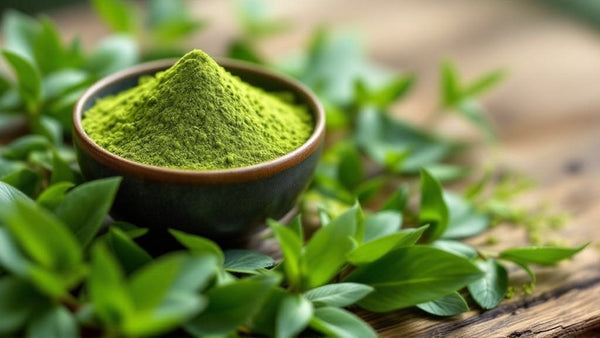
Colour : real ceremonial grade matcha is a vivid, bright emerald green. Not yellow-green. Not olive. Not dull. If it looks like dried herbs, it is not ceremonial grade regardless of what the tin says.
Origin : authentic ceremonial grade matcha comes from Japan. The most reputable regions are Shizuoka, Uji, and Nishio. If the brand does not state a specific Japanese region, be cautious.
Processing : genuine ceremonial grade is stone-ground. Stone grinding is slow, low-heat, and preserves the delicate compounds in the leaf. Jet-milled or machine-ground matcha does not produce the same quality.
First harvest : look for first flush, ichibancha, or first harvest on the packaging. This tells you the leaves came from the right picking window.
Taste : the easiest test of all. Whisk a teaspoon of matcha with 80°C water and taste it plain. Ceremonial grade tastes naturally sweet with a clean umami finish. If it is bitter or harsh, it is not true ceremonial grade regardless of what the tin says.
CHÃ sources only the best Japanese matcha powder from Shizuoka farms, first harvest, shade-grown, stone-ground in small batches, with the sourcing documentation to prove it. When CHÃ calls it ceremonial grade, it means something specific.
Can You Use Ceremonial Matcha for Cooking and Baking?
Absolutely. And when you use CHÃ ceremonial grade matcha ( AAA), the difference shows up in your recipes too.
Ceremonial grade matcha in baking produces a more vivid green colour in your cookies, cakes, and lattes than culinary grade. The vibrant chlorophyll-rich powder holds its colour beautifully even with heat, giving your matcha bakes that deep, jewel-toned green that makes every recipe look as good as it tastes.
The flavour is naturally sweeter and less bitter than culinary grade, which means you need less sweetener in your recipes to balance it out. Matcha cookies, matcha overnight oats, matcha chia pudding, matcha ice cream all of these work beautifully with ceremonial grade matcha and often taste noticeably better because the base flavour is smoother and cleaner.
The honest difference is this: culinary grade was specifically designed to hold up in recipes because its bold bitterness cuts through other ingredients. Ceremonial grade does not need to cut through anything and its natural sweetness integrates rather than overpowers, which produces a more refined, more elegant result in anything you make with it.
Ceremonial matcha powder works beautifully in everything from your morning cup to your weekend baking because real quality always shows up, no matter how you use it.
And that quality has a name. CHÃ Ceremonial Grade AAA is the highest tier of ceremonial matcha available and AAA grading means the strictest leaf selection, the longest shading window, the finest stone-grinding, and the most vivid green you will find in any tin. Whether you are whisking a morning cup or folding it into a batch of matcha cookies, AAA grade delivers a result that every other grade simply cannot match.
This is not just ceremonial grade. This is the best of it.
Which One Is Right for You?
Simple decision framework:
Choose ceremonial grade if:
-
You drink matcha plain with water as a daily ritual
-
You make light matcha lattes where matcha is the main flavour
-
You want the full L-theanine, chlorophyll, and calm energy benefits
-
You are new to matcha and want to actually enjoy it from the first sip
-
You bake or cook with matcha and want a naturally sweeter, more vibrant result
-
You want the best matcha powder in India that delivers every time
Choose culinary grade if:
-
You are making heavily sweetened lattes where bitterness is fully masked
-
You need a larger volume at a lower cost for high-quantity commercial cooking
If you are reading this blog, there is a good chance you are either starting a daily matcha ritual or trying to fix one that has not quite worked yet. In both cases, the answer is ceremonial grade. Every time.
Make the switch to real matcha today. CHÃ Ceremonial Grade AAA Matcha is sourced directly from Shizuoka, Japan, shade-grown, first-harvest, stone-ground in small batches. No fillers, no additives, nothing hidden. Trusted by thousands of matcha drinkers across India. Shop CHÃ Ceremonial Grade Matcha ( AAA ) and taste the difference the right grade makes.
What Makes CHÃ Different
Most matcha brands in India source from intermediaries. They do not know the farm, the harvest window, or the processing method. They buy a bulk shipment, put it in a pretty tin, and call it ceremonial grade.
Every batch is rigorously tested. Authentically sourced. And exactly what the label says it is.
Want to understand exactly what goes into every tin? Read our deep dive on matcha ingredients and the full story behind what makes real matcha real.
If you are ready to start, explore the full CHÃ range of organic matcha powder and find the version of matcha that fits your daily ritual perfectly.
Frequently Asked Questions
What should I know when comparing ceremonial vs culinary matcha?
When comparing ceremonial vs culinary matcha, three things matter most harvest timing, L-theanine content, and intended use. Ceremonial grade comes from the first flush of spring, contains significantly more L-theanine and chlorophyll, and works beautifully for drinking, lattes, and everyday baking including cookies, cakes, and smoothies. Culinary grade comes from later harvests, is bolder and more bitter, and works only in heavily sweetened recipes where other ingredients mask the harshness. If the matcha flavour actually matters in what you are making, ceremonial grade is the only grade that consistently delivers.
Is ceremonial grade matcha worth it?
Yes, if you are drinking matcha. The higher L-theanine content delivers noticeably smoother, calmer energy. The flavour is naturally sweet and smooth rather than bitter. And the vivid green colour and fine texture make every cup a genuinely enjoyable experience. For baking, ceremonial grade also delivers a more vibrant colour and naturally sweeter result in everything from matcha cookies to matcha ice cream.
Can I use culinary grade matcha for drinking?
Technically yes, but it does not taste good plain. Culinary grade matcha in plain water is noticeably bitter and harsh due to higher catechin content from later-harvest leaves. Many people who try matcha with culinary grade and do not enjoy it have never actually tasted what real ceremonial grade matcha tastes like smooth, naturally sweet, genuinely enjoyable. The grade makes that much difference.
What does ceremonial grade matcha taste like?
Real ceremonial grade matcha tastes naturally sweet with a clean, savoury umami finish and no bitterness when prepared correctly at 80°C. The flavour is often described as grassy, creamy, and smooth complex but gentle. Culinary grade in the same preparation tastes bitter, flat, and astringent by comparison.
What are the health benefits of ceremonial grade matcha vs culinary grade?
Both grades provide L-theanine, caffeine, EGCG antioxidants, and chlorophyll. Ceremonial vs culinary grade matcha benefits differ in ratios ceremonial grade contains higher L-theanine for calmer energy and more chlorophyll for that vibrant green colour. For daily wellness drinking, ceremonial grade delivers a more balanced, bioavailable nutritional profile that you actually feel with every cup.