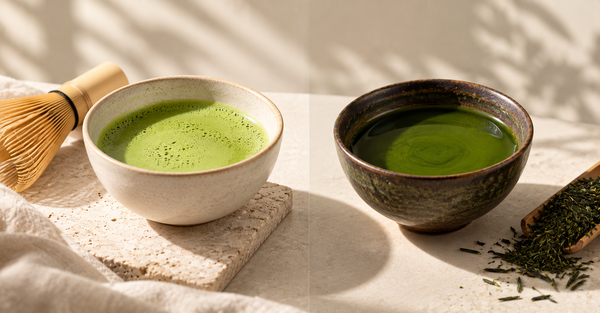
Yes, research suggests matcha tea for metabolism may offer real support. Matcha contains EGCG, a powerful catechin antioxidant that may increase thermogenesis and fat oxidation. Combined with L-theanine and natural caffeine, it may provide calm, sustained energy without a crash making it a smart addition to a balanced weight management routine.
So What Even Is the Metabolism Connection?
What Does Matcha Have to Do With Metabolism? Metabolism is the rate at which your body burns calories and converts food into energy. Matcha tea for metabolism works through EGCG and caffeine, two compounds that research suggests may increase thermogenesis, the body's natural calorie-burning process, and support fat oxidation especially during physical activity.
Does Matcha Boost Metabolism? Here Is What the Research Actually Says
You have probably seen matcha showing up in every morning routine, wellness feed, and weight loss conversation. And naturally, you are wondering does it actually do anything?
Does matcha boost metabolism? Research suggests it may. And unlike a lot of wellness trends, matcha's connection to metabolism and weight management is backed by real science, not just good packaging.
But here is the honest answer matcha is not a magic fix. It is a smart, natural daily addition that may support your body when paired with the right lifestyle.
Let's break it down, ingredient by ingredient, study by study no fluff.
Does Matcha Boost Metabolism? What Science Says
How does EGCG in matcha support metabolism?
Matcha is rich in EGCG, a catechin antioxidant that research suggests may increase thermogenesis the rate at which your body burns calories throughout the day.
A study published in the American Journal of Clinical Nutrition found that green tea extract may increase thermogenesis from a baseline of 8–10% up to 35–43% of daily energy expenditure. That is a meaningful difference in your calorie burn without changing anything else.
Since matcha contains significantly higher concentrations of EGCG than regular green tea, its potential effect on matcha tea for metabolism is stronger and more concentrated.
CHÃ tip: For the highest EGCG content, always choose ceremonial grade matcha (AAA) made from the youngest, most nutrient-dense first harvest leaves.
Does matcha stimulate metabolism during exercise?
Yes, research suggests it may. A 2018 study published in PubMed found that women who consumed matcha before a 30-minute brisk walk experienced enhanced fat oxidation during exercise compared to those who did not.
Does matcha stimulate metabolism during workouts? The data suggests the combination of EGCG and natural caffeine may help your body use stored fat as fuel more efficiently particularly during low to moderate intensity movement.
Matcha for Weight Loss: What Can It Actually Do?
Matcha for weight loss works through three key mechanisms:
1. Boosts Thermogenesis EGCG and natural caffeine in matcha may gently increase your body's calorie-burning rate even at rest. More calories burned throughout the day means more support for matcha weight management over time.
2. Supports Fat Oxidation Research suggests matcha may help your body access and use stored fat as fuel, particularly during physical activity. This is the fat-burning effect most people associate with matcha for weight loss.
3. May Reduce Cravings L-theanine, the calming amino acid in matcha, may help reduce stress-driven eating by promoting a relaxed, focused state. Less stress, fewer cravings, more intentional choices.
Matcha Tea for Metabolism: How Does It Compare to Coffee?
This is the question most people are actually asking. You already know matcha over coffee is a growing choice but does it hold up for metabolism specifically?
-
Coffee gives you a sharp caffeine spike that can raise cortisol, disrupt blood sugar, and lead to energy crashes none of which support matcha weight management
-
Matcha delivers caffeine alongside L-theanine, which balances the stimulant effect for calm, sustained energy without the jittery spike or crash
For matcha tea for metabolism, the slow, steady energy release means your body stays active and alert for longer which may support more consistent calorie burn through the day.
Explore the full comparison in our blog Matcha vs Green Tea Benefits.
Does Matcha Stimulate Metabolism More Than Regular Green Tea?
Yes and the reason comes down to concentration.
With regular green tea, you steep the leaves and discard them. Only a fraction of the EGCG and nutrients make it into your cup.
With matcha, you consume the entire leaf in powdered form. That means:
- Up to 137x more antioxidants than standard green tea
- Higher EGCG concentration per serving
- More L-theanine for calm focus without cortisol spikes
For matcha weight management, this difference is significant. More of the active compounds in every sip means more potential metabolic support from each cup.
Choosing a high-quality matcha powder with no fillers or additives ensures you are getting the full benefit not a diluted version.
How to Use Matcha for Weight Management: Practical Tips
- When to drink it: Morning on an empty stomach or 30–60 minutes before exercise for maximum metabolic support
- How much: Research suggests 1–2 cups per day is sufficient for metabolism support. More is not always better
- How to prepare it: Sift, whisk with 70–80°C water, and drink plain or with unsweetened oat milk. Avoid adding sugar it counteracts the benefit
- What grade to use: Always ceremonial grade for the highest EGCG concentration. Culinary grade is diluted and less effective for this purpose
- Consistency: The metabolic effects of matcha build over time. Daily use is more effective than occasional cups
Need a matcha energy boost that fits your routine? Start simple one cup, every morning, no sweetener.
Conclusion
Does Matcha Boost Metabolism? Here Is the Honest Answer
Yes research suggests it may, and the science behind it is real.
3 things to remember:
-
Does matcha boost metabolism? Research says it may through EGCG, thermogenesis, and fat oxidation support
-
Matcha tea for metabolism works best as a daily ritual paired with movement and mindful eating, not as a standalone solution
-
For real results, quality matters CHÃ Wellness Ceremonial Grade Matcha (AAA)gives you the highest EGCG concentration, no fillers, no shortcuts
Your body deserves clean, real support. No crash, no chaos just your new morning bestie doing its thing, one sip at a time.
Frequently Asked Questions
Does matcha boost metabolism effectively?
Research suggests matcha may support metabolism through EGCG and caffeine, which may increase thermogenesis and fat oxidation. Studies indicate it can raise the body's calorie-burning rate meaningfully when consumed consistently as part of a healthy lifestyle. It is not a magic fix but a well-researched daily support tool.
Does matcha stimulate metabolism better than coffee?
Matcha and coffee both contain caffeine, but matcha also contains L-theanine, which balances the stimulant effect for sustained, calm energy without cortisol spikes. Research suggests this combination may support more consistent metabolic activity through the day compared to coffee's sharp spike and crash cycle.
How much matcha should I drink for weight management?
Research suggests 1–2 cups of matcha per day may provide meaningful support for matcha weight management. Each cup should be prepared with 1–2 tsp of ceremonial grade matcha powder, whisked with hot water and consumed without added sugar for best results.
Is matcha for weight loss effective without exercise?
Matcha may offer some metabolic support on its own, but research consistently shows its fat oxidation effects are strongest when combined with physical activity even a 30-minute brisk walk. For matcha for weight loss to work effectively, it is best paired with regular movement and a balanced diet.
When is the best time to drink matcha tea for metabolism?
The best times are in the morning to kickstart your metabolism or 30–60 minutes before exercise to support fat oxidation during your workout. Avoid drinking matcha late in the day as its natural caffeine content may affect sleep quality.