Let’s be honest for a second. The global obsession with matcha has flooded the market with options. But if you have graduated past mass-market green tea powders and started exploring regional Japanese terroirs, you have likely heard of Yame. Hailing from Fukuoka prefecture, Yame produces some of the most luxurious, umami-rich green tea on the planet.
Because it is highly sought after and produced in limited quantities, the market has naturally seen a rise in lookalikes. If you want to experience the true velvet texture and deep umami that this region is famous for, you need to know how to spot the counterfeits.
Here is your insider guide on how to identify genuine yame matcha so you never get tricked by clever packaging again.
What Makes Yame Exceptional?
To quickly understand how to identify high quality yame matcha, look for these three non-negotiable quality markers:
- An intensely vibrant, neon-emerald yame matcha colour driven by traditional shading.
- A sweet, deep umami yame matcha taste with zero bitterness.
- A clear origin label tracing back to Fukuoka, Japan.
If the powder looks dull olive or tastes like bitter grass, you are likely dealing with fake yame matcha. Superior yame matcha quality is rooted in elite agricultural traditions that mass-manufacture simply cannot replicate.
What Is Yame Matcha and Why Is It Trending?
Before diving into the markers of authenticity, it is essential to understand exactly what is yame matcha and why tea connoisseurs are willing to pay a premium for it.
Grown in the mountainous, fog-covered valleys of Fukuoka, this specific variety benefits from a unique microclimate. The drastic temperature shifts between day and night, combined with heavy river mists, act as a natural shield against harsh sunlight. This environmental stress forces the plants to retain immense sweetness and complexity, making it an elite tier of tea production quite distinct from generic green tea powders.

1. The Visual Test: The Radiant Yame Matcha Colour
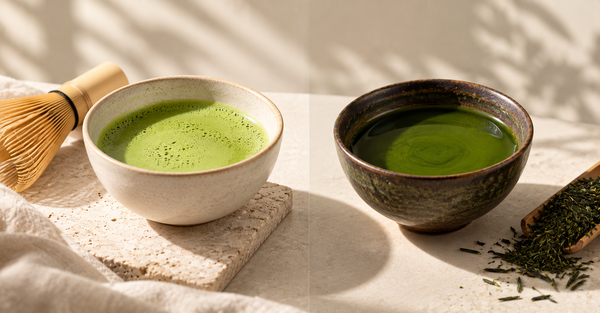
The first test happens before you even add water. The yame matcha colour should be an electric, vibrant, almost neon emerald green.
Yame is famous for its morning mists and heavy river fogs, which act as a natural shade barrier for the tea bushes. When farmers couple this geography with deliberate canopy shading, the tea plants produce a massive amount of chlorophyll to survive.
To easily spot genuine yame matcha visually, look for:
- An electric, neon-green hue that looks full of life.
- A complete absence of yellow, brown, or dull grey undertones.
-
A powder that retains its bright color even when exposed to light for a few moments.
If you open a tin and the powder looks dull or olive green, it is a clear indicator of poor processing, age, or low yame matcha quality. Genuine tea leaves from this region will never look like dead leaves.
2. The Flavor Profile: Sweet, Intense Umami
If you are worried about bitterness, you are thinking about mass-market green tea, not a premium regional harvest. The true hallmark of genuine yame matcha is its distinct flavor profile.
When you sip it, the yame matcha taste hits your palate with a deep, savory sweetness, often described as rich umami with a thick, velvety mouthfeel. Because the region focuses heavily on gyokuro and premium tencha production, the leaves are packed with amino acids like L-theanine. This completely cancels out any harsh bitterness. High-grade authentic japanese matcha powder from Yame tastes smooth enough to drink straight with just warm water.
3. The Traditional Shading Technique (Honzu)
You cannot understand how to identify high quality yame matcha without looking at how it was grown. The most elite farms in Yame still practice traditional Honzu shading.
Instead of using modern black plastic blankets thrown directly over the bushes, Honzu shading uses structured frameworks made of natural straw and reeds. This centuries-old method allows just the right amount of filtered sunlight to pass through while letting rainwater gently mist the leaves. This labor-intensive practice is precisely what elevates the overall yame matcha quality, giving the tea its complex flavor profile and concentrated nutrient density.
4. The Grind: Micro-Fine and Stone-Ground
When you rub a small pinch of the powder between your thumb and index finger, genuine yame matcha should feel completely silk-like, resembling fine cosmetic powder or cornstarch.
Authentic producers stone-grind the leaves using heavy granite mills at exceptionally slow speeds to keep the friction heat low. If the process is rushed, the heat oxidizes the leaves, destroying the vibrant green color and ruining the flavor. A coarse, grainy texture means the leaves were processed using cheap jet-milling machines, a common trait of fake yame matcha.
5. Label Transparency and Single-Origin Proof
Elite regions do not hide their details. When searching for the best matcha powder in India, always check the back of the tin for single-origin traceability.
To ensure you are getting an authentic product, verify that the label features:
- An explicit mention of Fukuoka prefecture or the Yame region as the sole source.
- A clear distinction of the grade (such as Ceremonial).
- The specific harvest season (typically spring).
If a brand uses vague descriptions like "Packaged in Japan" or simply lists the ingredient as generic matcha powder, they are likely blending lower-grade leaves from multiple regions to cut costs. True luxury lies in the specific terroir.
At CHÃ Wellness every matcha we source must confirm specific prefecture origin, harvest timing, and stone-ground processing. These are the same standards worth applying to any Yame matcha you evaluate.
Final Verdict
Investing in your daily wellness ritual means refusing to settle for low-quality blends. Knowing how to identify genuine yame matcha keeps you in control of your health journey, ensuring you receive the full antioxidant payload, clean focus, and sensory experience that true Japanese tea masters intended. Keep your eyes on the color, trust your palate to detect the umami, and always demand absolute clarity on origin.
Frequently Asked Questions
How to identify genuine yame matcha?
To identify genuine yame matcha, evaluate the powder across four sensory markers: an electric emerald green color, a silky texture that feels like cornstarch, an aroma of sweet cream and fresh grass, and a taste profile defined by deep umami sweetness rather than bitterness. Always verify that the packaging names Fukuoka or Yame as the exact geographic origin.
What does genuine yame matcha taste like?
The yame matcha taste is famous for being incredibly rich, creamy, and packed with sweet umami notes. Because the leaves are grown under heavy shade, the bitter catechins are kept to a minimum while the sweet amino acids are maximized, resulting in a smooth finish with zero astringency.
What colour should yame matcha be?
The ideal yame matcha colour should be an intense, brilliant emerald green. This vivid hue is a direct result of meticulous shading practices that force the tea plant to overproduce chlorophyll during its final weeks of growth before harvest.
How do I know if my yame matcha is real?
You can determine if your powder is real by testing its behavior in water. Real high-grade matcha will froth easily into a dense, creamy foam with micro-bubbles when whisked in a "W" motion. Fake yame matcha will often resist frothing, form large bubbles that pop instantly, and separate into a gritty residue at the bottom of your bowl within minutes.
What is Honzu shading in yame matcha?
Honzu shading is a traditional Japanese agricultural method where farmers build a roof of straw, reeds, and wood over the tea bushes. This natural barrier filters the sunlight slowly over several weeks, encouraging the highest possible accumulation of L-theanine and chlorophyll, which defines premium yame matcha quality.