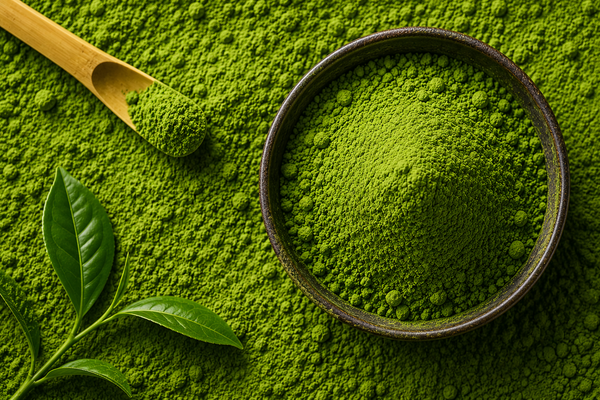
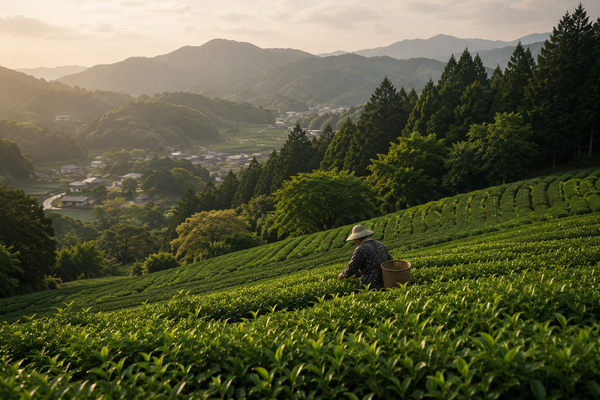
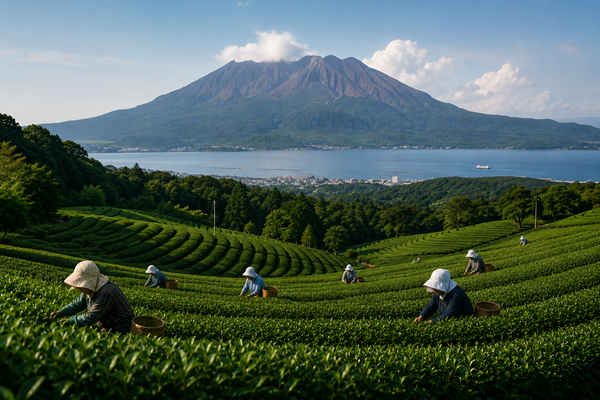
Yame matcha is ceremonial grade matcha produced in the Yame region of Fukuoka Prefecture, located on the southern island of Kyushu, Japan. It is characterised by an intensely sweet, umami-rich flavour with almost zero bitterness, a profile produced by the region's high-altitude mountain terrain, dramatic day-night temperature drops, and the deep shade-growing techniques inherited from Yame's celebrated gyokuro tradition.
Among all Japanese matcha regions, Yame is the one that surprises people most. Those who have avoided matcha because of bitterness almost universally change their relationship with the drink the first time they taste genuine yame matcha plain in water.
Where Is Yame and What Makes It One of Japan's Most Celebrated Matcha Origins?
Yame is a mountainous region in the southern part of Fukuoka Prefecture on Kyushu, Japan's southernmost main island. It sits at a significantly higher altitude than most tea-growing regions in Japan, a geographical reality that creates the precise conditions responsible for Yame's extraordinary flavour profile.
Yame's reputation in Japan's tea world is not new. It is a region with centuries of cultivation history and the most decorated gyokuro tradition in the entire country. The same knowledge, discipline, and deep respect for the leaf that produces Japan's finest gyokuro also produces yame matcha and the connection between the two is inseparable from understanding why Yame produces matcha unlike anywhere else.
The Geography That Makes Yame Matcha What It Is
High altitude and dramatic temperature swings
Yame's geography features higher altitude, inland mountain basins with drastic temperature drops between day and night. These temperature swings stress the tea plant in a specific, beneficial way forcing it to produce higher concentrations of amino acids including L-theanine as a biological response.
L-theanine is the compound responsible for sweetness and umami in matcha. The more L-theanine a leaf contains, the sweeter and more umami-rich the cup it produces. Yame's altitude and temperature profile create one of the highest natural L-theanine accumulation environments of any tea-growing region in Japan.
Traditional Straw Honzu shading
Yame farmers use traditional Straw Honzu shading covering the tea plants with natural rice straw rather than the synthetic black netting used in most other Japanese tea regions. The natural straw creates a softer, more diffused reduction of sunlight that is gentler on the leaf and produces a distinctly different amino acid profile.
When photosynthesis is restricted through shading, the tea plant does not convert theanine into catechins. The result is a leaf with dramatically elevated L-theanine and relatively low catechin content. This is the biochemical foundation of yame matcha's exceptional sweetness and almost zero bitterness.
The Honzu shading period in Yame is also longer and deeper than most regions, an intentional and labour-intensive choice that further amplifies the effect. It is a technique that demands more time, more skill, and more material investment than synthetic netting. And the difference is immediately tasted in every cup.
Fukuoka's deep gyokuro heritage
Yame is Japan's most decorated gyokuro region, gyokuro being the highest grade of shade-grown Japanese green tea. The deep knowledge, centuries of technique, and extraordinary level of care that Yame farmers apply to gyokuro production transfers directly into their matcha.
This heritage gives yame matcha something no other origin can claim. It is produced by farmers who have spent generations perfecting the art of extracting maximum sweetness and umami from a shade-grown leaf. That expertise shows in every batch.
Understanding what makes yame matcha exceptional also means understanding how origin shapes the cup. For those exploring matcha powder from Japan's finest growing regions, Yame is an origin that rewards deeper study.
What Does Yame Matcha Taste Like?
Yame matcha tastes intensely sweet and savoury with a broth-like, umami-heavy richness and almost no bitterness. It is often described as vegetal and silky with flavour notes of corn, sweet peas, and fresh greens and produces a heavy, creamy cup that coats the palate. It is the sweetest and most umami-forward matcha origin in Japan.
The flavour experience of genuine yame matcha moves through distinct stages:
- First note: Intensely vegetal fresh, bright, alive with an immediate sweetness that arrives before any bitterness
- Mid-palate: Deep, savoury umami broth-like, substantial, filling the mouth completely and holding there
- Sweetness: The highest natural sweetness of any Japanese matcha region a complex, layered sweetness from extremely high L-theanine content
- Finish: Clean, lingering, and smooth with almost none of the residual bitterness that most matcha drinkers have been taught to expect and tolerate
For people who have always thought they did not enjoy matcha because it was too bitter, yame matcha is the origin that changes that belief permanently.
The Science Behind Yame Matcha's Almost Zero Bitterness
Most people understand that matcha can taste bitter. Very few understand exactly why and why yame matcha is the exception.
Bitterness in matcha comes from catechins powerful antioxidants, specifically EGCG, that are naturally present in all green tea. The higher the catechin concentration in a leaf, the more bitter the matcha produced from it.
Sweetness and umami in matcha come from L-theanine the amino acid that accumulates in shade-grown tea plants when they are deprived of sunlight and forced to produce more amino acids as a biological survival response.
In yame matcha, two factors work simultaneously to maximise L-theanine and minimise catechin bitterness:
Factor 1: High altitude temperature stress
The dramatic day-night temperature drops in Yame's mountain basins push the tea plant into a state of mild stress that accelerates L-theanine production far beyond what lowland tea regions produce. More L-theanine means more natural sweetness and sweetness directly and measurably counterbalances the perception of bitterness.
Factor 2: Extended Honzu straw shading
The longer and deeper shading period using natural rice straw restricts photosynthesis for a longer period than most regions. When photosynthesis is restricted, theanine is not converted into catechins. The result is a leaf with dramatically higher L-theanine and significantly lower catechin content.
These two factors combined produce the yame matcha flavour profile intensely sweet, deeply umami, and almost entirely free of the bitterness that defines lower-grade or less carefully cultivated matcha from any other origin.
How Yame Matcha Is Prepared
Yame matcha is best experienced as usucha thin tea prepared with water at 80°C and whisked with a bamboo chasen in a W motion until a fine foam forms.
The preparation for yame matcha follows the same steps as any ceremonial grade matcha:
- Sift 1 teaspoon of yame matcha through a fine mesh sieve into a warmed bowl
- Add 60 to 80ml of water at exactly 80°C never boiling, which destroys L-theanine and creates bitterness
- Whisk in a W motion, back and forth rather than in circles, for 20 to 30 seconds until fine foam forms
- Drink immediately while the foam is fresh
Because yame matcha has almost zero bitterness and an intense natural sweetness, it requires nothing added. No milk. No sweetener. The flavour is complete as it is.
The Honzu-shaded leaf produces a foam that is particularly fine and stable, one of the visual hallmarks of genuine yame matcha when prepared correctly.
How to Identify Genuine Yame Matcha
The Yame name carries prestige in Japan which means it is occasionally used loosely. Here is what genuine yame matcha should confirm:
Fukuoka Prefecture origin stated clearly Genuine yame matcha comes specifically from Yame in Fukuoka Prefecture. If only "Kyushu" or "Japan" is stated without specifying Yame, the origin cannot be verified.
Honzu shading mentioned Brands that source genuinely from Yame will reference the traditional rice straw shading technique. Synthetic netting shading is not the Yame standard and produces a different flavour profile.
Deep jade green colour Genuine yame matcha has a deep, slightly golden-tinted jade green colour distinctly rich and saturated. Dull, olive, or yellow-green powder is not genuine Yame regardless of what the packaging says.
Taste test In plain water at 80°C, genuine yame matcha should taste intensely sweet with almost zero bitterness and a broth-like umami richness. If bitterness is prominent, the shading has been insufficient or the origin is not genuine Yame.
When choosing the best matcha powder in India from any Japanese origin, these verification steps apply origin transparency is the baseline of quality, and Yame demands it more than most.
Who Is Yame Matcha Best For?
Yame matcha is best for people who want the sweetest, least bitter matcha experience available and for connoisseurs who want the most intensely umami-forward cup. It is the ideal origin for anyone who has been put off matcha by bitterness, for people transitioning away from sweetened café lattes toward plain whisked matcha, and for experienced matcha drinkers who collect and compare origins from across Japan.
Yame matcha is particularly suited for:
- People who have tried matcha and found it too bitter Yame's almost-zero bitterness changes the experience entirely
- People transitioning from sweetened lattes toward plain whisked matcha Yame is the smoothest entry point of any Japanese matcha region
- Experienced matcha drinkers who want to explore the most umami-forward origin available
- Anyone wanting the most naturally sweet matcha without adding sweetener
- Tea ceremony practitioners who prefer the intense umami style of usucha
- Matcha enthusiasts building an origin collection who want the most distinctive experience Japan's tea regions offer
Knowing which origin suits your palate is the foundation of a daily ritual you will genuinely sustain. Exploring matcha powder in India from origin-specific sources is where that understanding begins.
Frequently Asked Questions
What is Yame matcha?
Yame matcha is ceremonial grade matcha produced in the Yame region of Fukuoka Prefecture on the island of Kyushu, Japan. It is characterised by an intensely sweet, umami-rich flavour with almost zero bitterness produced by the region's high-altitude mountain terrain, dramatic day-night temperature drops, and the traditional Honzu rice straw shading technique inherited from Yame's celebrated gyokuro tradition. It is one of the most prestigious and distinctive matcha origins in Japan.
Why does Yame matcha have almost no bitterness?
Yame matcha has almost no bitterness because of extreme L-theanine accumulation produced by two factors working simultaneously the high-altitude temperature stress in Yame's mountain basins drives the tea plant to produce more L-theanine as a biological response, and the extended Honzu straw shading prevents theanine from converting into catechins. L-theanine directly counteracts catechin bitterness. When L-theanine is very high and catechins are relatively low, bitterness is almost entirely neutralised.
What does Yame matcha taste like?
Yame matcha tastes intensely sweet and savoury with a broth-like, umami-heavy richness and almost no bitterness. Flavour notes often described include corn, sweet peas, and fresh greens. It produces a heavy, creamy texture in the bowl and a clean, lingering finish. It is the sweetest and most umami-forward of all Japanese matcha origins, a flavour profile that surprises and converts even people who believed they did not enjoy matcha.
Is Yame matcha good for beginners?
Yes. Yame matcha is one of the best origins for beginners specifically because of its almost zero bitterness and intense natural sweetness. People who have tried generic café matcha and found it too harsh almost always have a completely different experience with genuine yame matcha in plain water. It is the origin that most reliably converts sceptics into daily matcha drinkers because the taste is genuinely enjoyable without any adjustment, sweetener, or milk required.