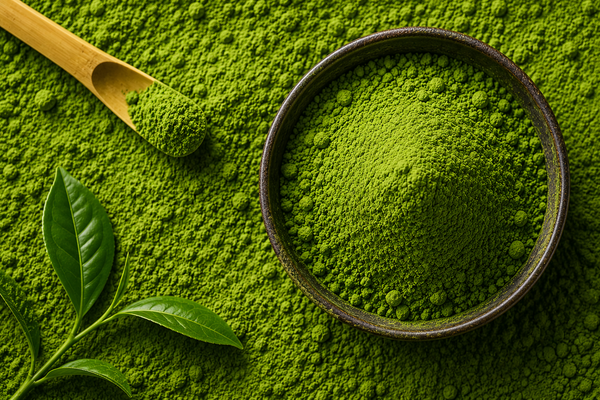
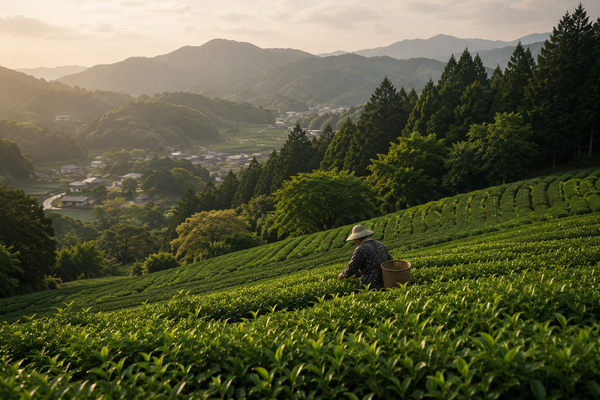
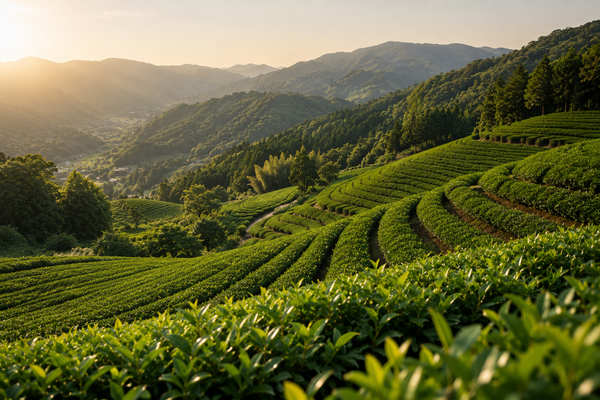
Kagoshima matcha is green tea powder produced in Kagoshima Prefecture at the southern tip of Japan's Kyushu island. It grows in a warm subtropical climate on flat, mineral-rich volcanic plains nourished by centuries of ash from the active Sakurajima volcano. Kagoshima matcha is characterised by a bold, rich, naturally sweet flavour with a full body and vibrant green colour that sets it apart from every other Japanese matcha region.
Where Is Kagoshima and What Makes Its Terroir Unique?
Kagoshima sits at the southern tip of Kyushu, Japan's southernmost main island. It grows kagoshima matcha on flat open volcanic plains under a warm subtropical sky making it geographically and climatically distinct from every other major Japanese matcha region. Warmer temperatures, richer volcanic soil, more sunlight, and a longer growing season all shape the bold character that defines every cup.
Kagoshima is unlike any other tea-growing region in Japan. While Uji grows in river valley fog and Yame grows in cool mountain basins, kagoshima matcha grows in open volcanic plains under a generous subtropical sky.
This is not a minor difference. It is a fundamental one and it shapes everything about the flavour, the colour, and the character of every cup.
The Sakurajima volcano and mineral-rich soil
Kagoshima's story begins with its land, watched over by Sakurajima, an active volcano. The gentle ash of Sakurajima has enriched the soil for centuries. This volcanic ash creates an extraordinarily mineral-dense growing environment rich in potassium, calcium, and phosphorus that feeds directly into the bold flavour and natural sweetness of every leaf grown there.
At times, Kagoshima's tea farmers must brush volcanic ash from the leaves by hand. This is not an inconvenience. It is a sign of the same geological activity that makes the soil beneath those leaves unlike anything found in Japan's mountain regions.
Warm subtropical climate and multiple harvests
While many other tea regions harvest two or three times a year, Kagoshima often experiences four, sometimes even five flushes in a single season. This extended growing season driven by Kagoshima's warm temperatures and long daylight hours produces tea plants that are vigorous, productive, and consistently high-yielding.
The warm climate also creates a natural resilience in the tea plant that colder regions cannot replicate. The result is a leaf that grows with confidence and expresses its flavour boldly exactly what kagoshima matcha delivers in the cup.
Understanding the terroir behind kagoshima matcha is the first step in appreciating why it tastes the way it does. For those exploring matcha powder from Japan's finest origins, Kagoshima's volcanic story is one of the most compelling in the entire country.
What Does Kagoshima Matcha Taste Like?
Direct answer: Kagoshima matcha tastes bold, rich, and naturally sweet with a full body and a clean bright finish. It has stronger grassy and earthy undertones than mountain-grown origins, a robust presence that holds up beautifully with milk, and a natural sweetness derived from the mineral-rich volcanic soil. It features a distinctive aroma and a deep mellow umami that sets it apart from other Japanese matcha regions.
The flavour experience of genuine kagoshima matcha moves through distinct stages:
Colour Vibrant, bright green : deep and vivid, holding its intensity even when mixed with milk or water. The higher chlorophyll concentration from Kagoshima's warm growing conditions produces a colour that is structurally stable and visually striking.
First note Bold and fresh : a stronger, more assertive opening than the delicate vegetal notes of mountain-grown origins. The volcanic mineral content announces itself immediately in the flavour.
Body Full and robust : Kagoshima matcha fills the mouth with a boldness that is structural, not surface-level, and survives dilution in a way that more delicate origins cannot.
Sweetness Rich and present : a natural sweetness from the volcanic mineral content and warm growing conditions that needs no enhancement. Not as intensely sweet as Yame but noticeably sweeter and more rounded than generic non-specific ceremonial grades.
Finish Clean and bright : refreshing rather than lingering, with no sharp bitterness or astringency. A finish that leaves the palate ready for the next sip.
The Science Behind Kagoshima Matcha's Flavour
Direct answer: Kagoshima matcha's bold flavour and natural sweetness come from two sources working together the volcanic mineral content of the soil, which enriches the tea plant's amino acid and flavour compound production, and the warm subtropical climate, which drives higher chlorophyll concentration and produces a more robust, colour-stable powder than mountain-grown origins. Together these two forces create a matcha that is bold, bright, and structurally present in every application.
Volcanic mineral content and flavour development
The potassium, calcium, and phosphorus deposited in Kagoshima's soil by centuries of volcanic ash activity feed directly into the metabolic processes of the tea plant. Potassium supports the synthesis of amino acids including L-theanine. Calcium supports the structural integrity of the leaf. Phosphorus drives energy production in the plant supporting vigorous consistent growth across every flush of the season.
The result is a tea plant that is naturally well-nourished, producing leaves with a higher mineral expression in their flavour which creates kagoshima matcha's distinctive bold depth and natural sweetness that no other origin produces in quite the same way.
Warm climate and chlorophyll concentration
The warm subtropical climate of Kagoshima means tea plants grow faster and experience more sunlight than mountain-grown origins. This higher chlorophyll concentration produces a bolder flavour profile that does not disappear when mixed with milk or water.
This is why kagoshima matcha holds up in lattes when more delicate origins fade the bold flavour is structural, not surface-level, and survives dilution while preserving a genuinely satisfying matcha experience in every preparation.
How to Identify Genuine Kagoshima Matcha
Genuine kagoshima matcha confirms Kagoshima Prefecture specifically on the packaging, displays a vibrant bright green colour, and delivers a bold naturally sweet flavour with a clean finish in plain water at 80°C. These three checks separate real kagoshima matcha from products that borrow the regional name without the sourcing to back it up.
Kagoshima Prefecture origin stated clearly Not just "Kyushu" or "southern Japan." Genuine kagoshima matcha will specify the prefecture on the packaging. A brand that sources genuinely from Kagoshima will always be able to confirm this specifically.
Vibrant bright green colour Genuine kagoshima matcha is vivid and bright, a deep, saturated green that holds its colour even in water and milk. Dull, olive, or yellow-green powder has either oxidised or is not genuine Kagoshima ceremonial grade regardless of what the packaging says.
Taste test In plain water at 80°C, genuine kagoshima matcha should taste bold and naturally sweet with a clean bright finish and no harsh bitterness. If the cup is flat, dull, or harshly bitter, the grade or freshness is the issue not the origin.
When choosing the best matcha powder in India from any Japanese origin, these verification steps apply equally. Origin transparency is the baseline of quality and kagoshima matcha demands it as much as any other region.
Who Is Kagoshima Matcha Best For?
Direct answer: Kagoshima matcha is best for people who want a bold, rich, naturally sweet matcha particularly for lattes, baking, and everyday drinking. It is the right choice for people who make daily matcha lattes and want a flavour that holds up against milk, for those who use matcha as a culinary ingredient in recipes, and for matcha drinkers who prefer a richer, more robust cup over a delicate complex one.
Kagoshima matcha is particularly suited for:
- People who make matcha lattes daily and want a flavour that holds up against milk without disappearing
- Bakers and chefs who use matcha as a culinary ingredient and need a bold colour-stable powder
- Matcha drinkers who prefer a richer more robust cup over a delicate layered one
- People exploring Japanese matcha regions who want to understand how volcanic terroir expresses itself in a cup
- Anyone discovering matcha for the first time who wants an approachable, naturally sweet, full-bodied experience
Exploring matcha powder in India from origin-specific sources is where a genuine understanding of matcha begins and kagoshima matcha is an origin that rewards that curiosity with every sip.
Frequently Asked Questions
What is Kagoshima matcha?
Kagoshima matcha is green tea powder produced in Kagoshima Prefecture at the southern tip of Kyushu, Japan. It grows on flat mineral-rich volcanic plains nourished by the active Sakurajima volcano producing bold, rich, naturally sweet matcha with a full body and vibrant green colour that sets it apart from every other Japanese matcha region.
What does Kagoshima matcha taste like?
Kagoshima matcha tastes bold, rich, and naturally sweet with a full body and a clean bright finish. Stronger grassy and earthy undertones than mountain-grown origins, with a robust presence that holds up well with milk. It features a distinctive aroma and deep mellow umami from the volcanic soil terroir that sets it apart from other Japanese matcha regions.
Is Kagoshima matcha good for lattes?
Yes. Kagoshima matcha is one of the best origins for matcha lattes. Its bold robust flavour holds up against milk without disappearing, its natural sweetness reduces the need for added sweetener, and its higher chlorophyll concentration means vivid green colour remains visible even when diluted. The volcanic mineral content gives kagoshima matcha a structural boldness that survives dilution in a way more delicate origins cannot.
Why does Kagoshima matcha have such a bold flavour?
Kagoshima matcha's bold flavour comes from two factors working together: the volcanic mineral content of the soil enriching the tea plant's amino acid and flavour compound production, and the warm subtropical climate driving higher chlorophyll concentration. Together these produce a matcha that is structurally bold and colour-stable in a way mountain-grown origins are not.