Chai is comfort. It is the first thing most of us reach for in the morning. It fills kitchens, office breaks, and long conversations.
And then matcha showed up. Green, slightly mysterious, and suddenly everywhere.
So the question everyone is asking matcha vs chai, which one is actually better for your health?
The answer is matcha. And here is exactly why.
What Is Inside Your Everyday Chai
Chai contains black tea, milk, sugar, and spices. The spices are genuinely functional. The sugar 8 to 12 grams per cup is the part most people do not think about.
Your cup of chai includes:
- Black tea : caffeinated, leaves discarded after brewing
- Milk : adds calories and buffers the tannins
- Sugar : typically 2 to 3 teaspoons per cup, which is 8 to 12 grams of added sugar
- Ginger : supports digestion, well-researched anti-inflammatory properties
- Cardamom : supports digestive comfort, has antioxidant activity
- Cinnamon : studied for blood sugar regulation in some populations
- Cloves : rank among the highest antioxidant foods tested
Chai is not a bad drink. The spices are real. The comfort is real.
But three cups of chai a day delivers 25 to 35 grams of added sugar before lunch. That is before food. Before anything else. And most of us drink more than three cups.
The spice benefits are real. The sugar cost is also real. And that sugar cost changes the health equation significantly.
What Is Matcha and Why Does It Win
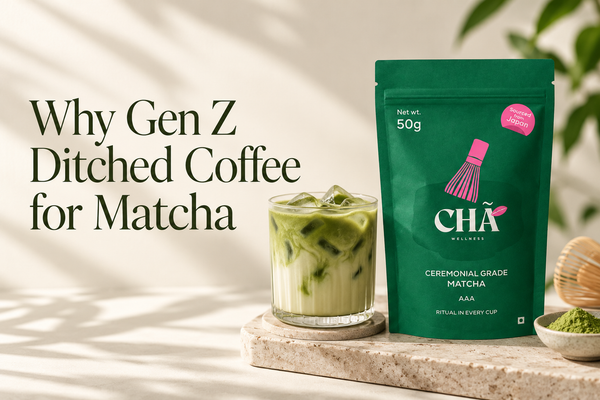
Matcha is shade-grown Japanese green tea leaves, stone-ground into a fine powder. You drink the entire leaf nothing discarded, nothing lost. This is why matcha delivers significantly higher antioxidant concentration than any brewed tea.
Matcha leaves are grown under shade for 20 to 30 days before harvest. That shading forces the plant to produce significantly more L-theanine and chlorophyll, the compounds responsible for matcha's vivid green colour, natural sweetness, and calm focused energy.
When you whisk matcha into hot water you are not making an infusion. You are drinking the whole leaf. Every antioxidant. Every amino acid. Every bit of chlorophyll. All of it in your cup.
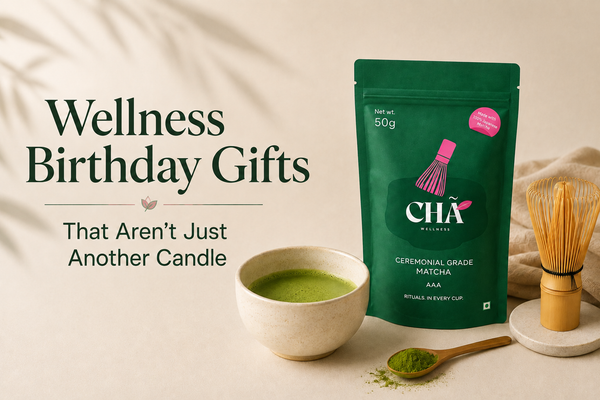
CHÃ Wellness, sourced Authentic Japanese Matcha Powder directly from Shizuoka farms in Japan, shade-grown and stone-ground in small batches with no additives, tastes naturally smooth and slightly sweet without milk or sugar.
Matcha vs Chai Health Benefits : Why Matcha Wins
Matcha wins this comparison clearly. Higher antioxidants, significantly more L-theanine, zero added sugar, and sustained energy that chai simply cannot match.
What matcha gives you:
High antioxidants
Because you drink the whole leaf, matcha is packed with EGCG Epigallocatechin gallate, one of the most studied plant antioxidants in nutrition science. It fights oxidative stress, may support cognitive function, and is present in significantly higher concentration than anything brewed black tea in chai delivers.
L-theanine the compound chai does not have
This is matcha's defining advantage. L-theanine is an amino acid that modulates caffeine absorption, promotes calm alertness, and increases serotonin and dopamine. Chai does not have L-theanine in meaningful amounts. This single difference explains why matcha vs chai health benefits favour matcha so clearly for daily wellness.
Sustained energy for 3 to 6 hours
Matcha releases caffeine gradually. No spike. No crash. Just steady focused energy that holds through the morning and well into the afternoon. Chai cannot deliver this.
Zero added sugar
Plain matcha in hot water has near-zero calories and zero added sugar.
What chai gives you:
Chai's spices are genuinely functional digestive warmth from ginger, anti-inflammatory support from cinnamon, antioxidant activity from cloves. A cup of chai without sugar is a decent wellness drink.
But when you weigh everything, antioxidant concentration, L-theanine, sugar content, energy duration matcha is the stronger daily health choice. Not by opinion. By measurable difference.
Matcha vs Chai Caffeine : Why Matcha Feels Better
Matcha has 60 to 80mg of caffeine per serving. Chai has 40 to 50mg. But the number alone does not tell the story L-theanine makes matcha's caffeine feel completely different from chai's.
People often ask which has more caffeine in matcha vs chai. Technically matcha has more. But that is not the most important part of the answer.
Chai caffeine arrives fast. You feel it within 15 to 30 minutes. It peaks and then it drops which is why most people reach for a second cup by mid-morning.
Matcha caffeine is a completely different experience. L-theanine actively slows caffeine absorption, smooths the energy curve, and removes the anxious edge that chai and coffee produce. The result is calm, focused energy that does not spike and does not crash.
Matcha for focus is not a marketing phrase. It is the biochemical reality of L-theanine and caffeine working together, something chai simply cannot offer because it does not contain meaningful L-theanine. Read more about how this works in our guide to matcha for focus and why the energy feels so different from everything else.
Most people who switch from chai to matcha describe the energy as cleaner, longer-lasting, and completely free of the mid-morning dip. Not more energy. Better energy.
Is Matcha Better Than Chai for Energy?
Yes. Matcha wins the energy comparison clearly. For sustained, calm, focused energy over 3 to 6 hours matcha is in a completely different category from chai.
Matcha vs chai for energy in real life looks like this:
Chai gives you a lift that fades by mid-morning. You feel the boost. Then you feel it leave. Then you make another cup.
Matcha gives you energy that builds slowly and holds. You feel present, clear, and focused and that feeling lasts significantly longer than anything chai produces.
The fitness community CHÃ Wellness has connected with across events in Chennai and Mumbai describes the matcha experience consistently controlled, focused, strong without being anxious. That is L-theanine doing its work. And it is why matcha has replaced chai as the morning drink of choice for people who have experienced it properly.
If your current morning drink is leaving you tired by 11am, switching to matcha for even one week will show you the difference.
Start with the best matcha powder in India from CHÃ Wellness, sourced directly from Shizuoka, Japan, where L-theanine concentration is at its highest.
Matcha or Chai Which Is Better : The Honest Verdict
Matcha is the better daily health drink. For antioxidants, energy, focus, and zero added sugar matcha wins every morning.
Here is a simple way to think about it:
Reach for matcha if you want:
- Energy that lasts 4 to 6 hours without a crash
- The highest antioxidant intake per cup
- No added sugar in your morning drink
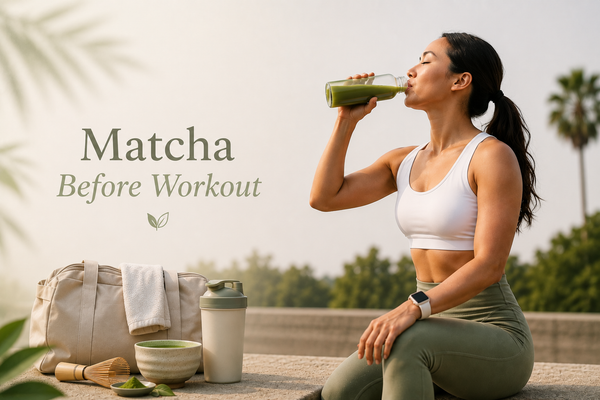
- Calm focus for work, study, or exercise
- A ritual that tastes genuinely good without milk or sweetener
Reach for chai if you want:
- Digestive warmth and spice-based comfort
- Anti-inflammatory benefits from ginger and cinnamon
- Something familiar and comforting in the afternoon
If your goal is the healthiest, most functional morning drink matcha is the answer. Every time.
Explore the full range of matcha powder in India from CHÃ Wellness and find the cup that changes your morning.
Frequently Asked Questions
Which is healthier matcha or chai?
Matcha is the healthier daily drink. Matcha vs chai health benefits favour matcha in every measurable category higher antioxidant concentration, more L-theanine for calm focus, zero added sugar, and sustained energy for 3 to 6 hours. Traditional chai comes with 8 to 12 grams of added sugar per cup. Matcha made correctly has none. Over a full day the difference is significant.
Does matcha have more antioxidants than chai?
Yes, significantly more in terms of EGCG. Because matcha is consumed as a whole ground leaf, its EGCG concentration is dramatically higher than brewed black tea in chai. Chai contains antioxidants from spices. Cloves rank among the highest antioxidant foods tested but the overall antioxidant advantage belongs clearly to matcha.
Is matcha better than chai for energy?
Yes. Matcha wins the energy comparison clearly. Matcha's L-theanine modulates caffeine absorption and produces calm focused energy over 3 to 6 hours without a crash. Chai caffeine peaks faster and drops faster leaving most people craving another cup by mid-morning. Matcha for focus over extended periods is in a different category from what chai delivers.
Can I replace chai with matcha every day?
Yes, and for most people it is worth doing. The switch produces cleaner sustained energy, lower sugar intake, and fewer mid-morning energy dips. The adjustment period is usually 1 to 2 weeks. Many people who switch keep chai in the afternoon for comfort while using matcha for their morning energy.