Ask anyone why Gen Z loves matcha and the easy answer is "it's pretty." Fair, it is. But that's not actually why an entire generation quietly swapped their morning coffee order for a bowl of whisked green powder. The real reason is a lot more interesting than the color.
The Coffee Problem Nobody Talks About
Coffee has a reputation problem, it's never fully shaken, the jitters, the racing heart, the 3pm crash that hits right when you need to focus most. For a generation that's, by survey data, the most anxious on record, that's not a minor inconvenience. It's a genuine, daily friction point. A jittery caffeine hit on top of an already anxious baseline isn't relaxing, it's just more noise.
Matcha vs Coffee Anxiety, the Actual Difference
Here's where matcha genuinely earns its spot as a Gen Z coffee alternative, not just a trendier looking one. Matcha contains L-theanine, an amino acid that moderates how caffeine hits your system, smoothing out the spike instead of letting it slam in all at once.
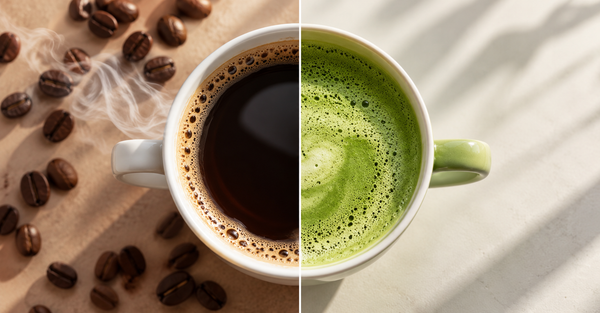
- Coffee: fast caffeine absorption, sharp peak, often followed by an equally sharp crash
- Matcha: slower, steadier caffeine release thanks to L-theanine, alertness without the overstimulation
For a lot of people, this isn't abstract wellness talk. It's practical, everyday self regulation, a way to stay functional without adding fuel to an already anxious nervous system.
Calm Caffeine Matcha, Why It Just Feels Different
This is really the core of it. Calm caffeine matcha isn't a marketing phrase, it describes something people can genuinely feel the first time they switch. Alert, but not wired. Focused, but not buzzing. That distinction matters a lot more to a generation actively trying to manage their own anxiety than it did to previous generations who just wanted the biggest caffeine hit available.
Matcha Energy Without the Crash
The other half of the coffee problem is the crash, that specific, familiar wall that hits mid-afternoon and makes the rest of the day feel like wading through fog. Matcha's slower caffeine release genuinely avoids this for a lot of people, energy that tapers off gradually instead of dropping off a cliff. If you want the actual numbers behind how matcha and coffee caffeine compare, we broke that down properly in our piece on matcha vs coffee caffeine content.
Okay, But the Aesthetic Really Does Help
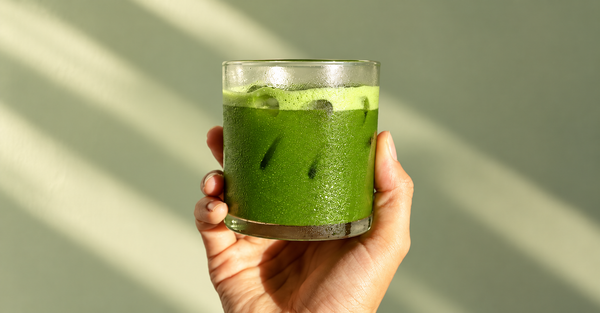
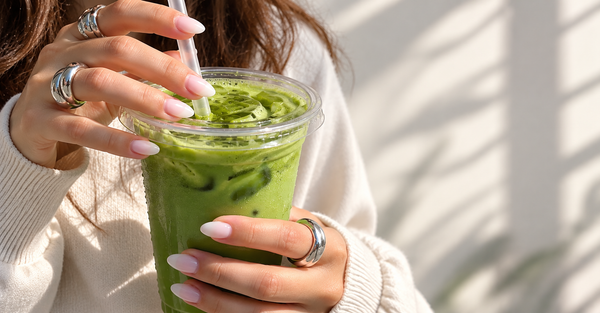
Let's not pretend the visual side is irrelevant either. Matcha's aesthetic appeal is real, and it matters for a generation that grew up with visual social media as a primary way of discovering things. A vivid green latte photographs better than a brown one, that's just true. But the aesthetic is what gets someone to try it once. The calm caffeine effect is what gets them to keep ordering it. The two work together, not against each other.
A Generation That Actually Reads the Label
There's one more piece worth naming, Gen Z genuinely cares about origin and sourcing transparency in a way earlier generations mostly didn't prioritize the same way. Cafés now talk about matcha origin and grade the same way specialty coffee shops talk about single-origin beans. That shift toward wanting to actually know what's in the cup lines up well with why a lot of people made the permanent switch, not just a trend they'll drop next season.
If you're already sold on the "why," and want the fuller case for making the actual switch, our piece on matcha over coffee goes deeper into that decision.
Trying It for Yourself
If the anxious-coffee-drinker description above sounds a little too familiar, the good news is switching doesn't require overhauling your entire morning. Just swapping one cup for a properly whisked bowl of Ceremonial Grade AAA Matcha is enough to feel the actual difference, not the Instagram version of it, the real one.
Frequently Asked Questions
Why does matcha feel calmer than coffee?
Matcha contains L-theanine, an amino acid that moderates caffeine absorption, resulting in steadier alertness instead of coffee's typical sharp spike and crash.
Is matcha actually better for anxiety than coffee?
Many people report feeling more functional and less jittery on matcha compared to coffee, largely due to L-theanine's calming effect on caffeine's impact, though individual response varies.
Why is matcha so popular with Gen Z specifically?
A combination of factors, matcha's calmer caffeine profile fitting a generation with high reported anxiety, its strong visual appeal for social media, and growing interest in sourcing transparency.
Does matcha give you energy without the crash?
Yes, matcha's slower caffeine release tends to provide more gradual, sustained energy compared to coffee's faster peak and more noticeable crash.