Gen Z loves matcha because it delivers calm, focused energy without the jitters or crash that coffee brings. It looks beautiful, it fits a slower morning, and it actually works. Matcha contains caffeine alongside L-theanine, which means hours of steady focus. For a generation that cares deeply about how they feel and what they share, matcha checks every box.
Open Instagram right now and you will find it within seconds. That bright green drink, a bamboo whisk, soft morning light, someone looking absolutely calm before the rest of the world wakes up. Matcha is everywhere and it is not going anywhere.
But here is the real question: why is matcha so popular with Gen Z specifically? What made an entire generation put down their iced lattes and go fully green?
We are breaking it all down. The science, the culture, the ritual, and yes, the aesthetic too.
Why Is Matcha So Popular With Gen Z
This did not happen overnight and it was not just a Instagram accident. Gen Z made a very conscious decision about their energy, their mornings, and their health.
Here is why matcha clicked for this generation more than any other:
- They are done with the coffee crash. Gen Z watched older generations run on espresso and anxiety. They wanted something that felt different.
- They did their research. This generation fact-checks everything. They read about L-theanine, compared caffeine levels, and understood why matcha works before they even bought it.
- They connect what they consume to how they feel. Mental health awareness is built into this generation. A drink that reduces anxiety instead of spiking it is an easy yes.
- It fits the life they are building. Slower mornings, more presence, less noise. Matcha matches that energy completely.
- It looks good and they are not ashamed of that. The visual appeal of matcha is part of the experience. Gen Z does not separate aesthetics from function.
According to the National Coffee Association, Gen Z now consumes more tea-based beverages than coffee, drinking significantly less coffee than every generation before them. That shift is real and matcha is leading it.
The Gen Z Wellness Trends That Made Matcha Make Sense
Matcha did not arrive in a vacuum. It landed right in the middle of a bigger shift in how Gen Z thinks about wellness.
Gen Z wellness trends are not about restriction or suffering. They are about finding routines that feel good and actually hold up over time. This generation is:
- More sober-curious than previous generations
- Deeply aware of burnout and what overstimulation does to the body
- Looking for habits that support their nervous system, not stress it
- Choosing products with clean, simple ingredients they can understand
- Prioritising consistency over intensity in their routines
Matcha fits all of that without trying hard. One ingredient. A centuries-old practice. A process that takes three minutes and asks for nothing except a little attention.
For a generation that has seen wellness turned into a complicated, expensive, and often ineffective industry, something this simple and this effective feels like a relief.
The Matcha Aesthetic Is Not Just About Looking Pretty
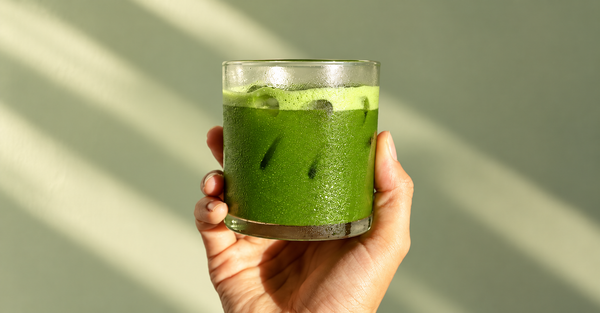
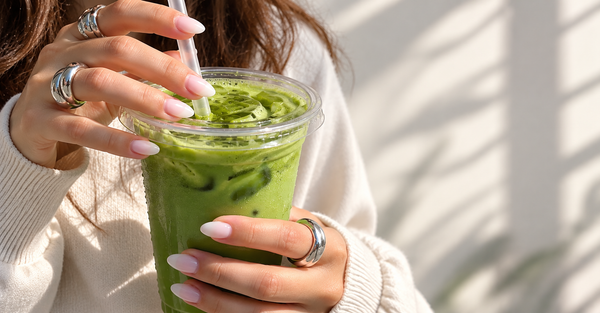
Yes, the matcha aesthetic is stunning. The deep green colour in a clear glass, the foam from the whisk, the whole slow and soft morning scene. It photographs beautifully and it fits perfectly into the kind of content Gen Z loves to both make and watch.
But the matcha aesthetic is carrying something deeper than a good photo.
Think about what it represents visually:
- Slowness in a world that rewards being fast
- Simplicity in a market full of complicated products
- A ritual that belongs to you before the day asks anything of you
- Calm as something to show up for, not just talk about
When someone watches a matcha morning routine video, they are not just looking at a drink. They are looking at a version of a morning they want for themselves. The aesthetic went viral because the feeling behind it is genuinely appealing.
And matcha delivers that feeling. That is why the matcha aesthetic has staying power that most trends do not.
Matcha vs Coffee: The Honest Breakdown
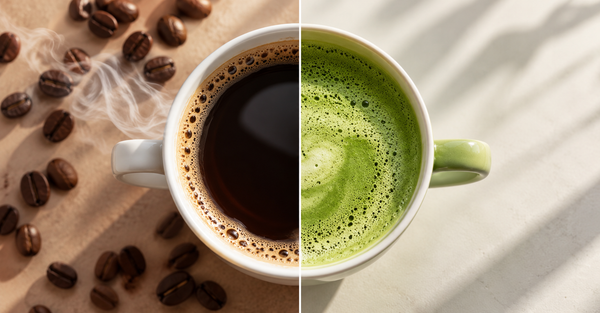
This is the conversation that comes up constantly so here is the actual side-by-side.
Caffeine delivery:
- Coffee: fast spike, hard crash, often within 90 minutes
- Matcha: slow and steady release over 4 to 6 hours, thanks to L-theanine
Effect on anxiety:
- Coffee: can trigger cortisol spikes, increases heart rate, worsens existing anxiety
- Matcha: L-theanine actively promotes calm alpha brain waves, focus without the frantic feeling
Caffeine content per serving:
- 1 cup of coffee: around 100mg caffeine
- 1 serving of matcha: around 70mg caffeine, absorbed more slowly
The crash:
- Coffee: yes, almost always
- Matcha: no, the gradual release means energy tapers off gently
Matcha contains caffeine but its effect on the body is completely different from coffee. The L-theanine works alongside the caffeine to prevent the spike-and-drop cycle that most coffee drinkers know too well.
For Gen Z who are already dealing with high stress and anxiety, the choice between a drink that adds to that and one that smooths it out is not a hard one.
The Science Behind the Obsession
Gen Z did not fall for matcha based on the aesthetic alone. They looked into the science and it held up.
Matcha is made from whole tea leaves ground into a fine powder. When you drink it, you get the full concentration of every compound in the leaf. This is very different from regular green tea where you steep the leaves and discard most of the nutrients.
What is actually in matcha:
- L-theanine: An amino acid that promotes calm focus, reduces anxiety, and balances the stimulating effect of caffeine
- EGCG (epigallocatechin gallate): A powerful antioxidant linked to skin health, metabolism support, and reduced inflammation
- Chlorophyll: The compound responsible for that deep green colour and a natural detoxifier
- Caffeine: Present at around 70mg per serving, absorbed slowly due to L-theanine
Studies on L-theanine consistently show reduced anxiety and improved attention. Research on EGCG connects it to skin health, immune function, and metabolic support. This is not wellness mythology. These are compounds that have been studied seriously for decades.
When Gen Z says matcha changed how they feel, the science backs them up completely.
Why Ceremonial Grade Matcha Is the Only One Worth Drinking
Here is where most people go wrong with matcha. They buy a cheap powder, it tastes bitter and flat, and they decide matcha is not for them. The problem was never matcha. The problem was the grade.
The difference between grades:
- Culinary grade: Made from older leaves, more processed, stronger and more bitter taste. Fine for baking, not ideal for daily drinking.
- Ceremonial grade matcha: Made from first-harvest, shade-grown leaves, stone-ground slowly. Smooth, slightly sweet, rich with umami. This is the one you drink.
Why shade-growing matters: When tea plants are covered from sunlight in the weeks before harvest, they produce significantly more L-theanine and chlorophyll. More L-theanine means more of that calm focus effect. A deeper green colour means higher nutrient density.
Why stone-grinding matters: Stone-grinding keeps the temperature low and preserves the nutrients and flavour compounds that heat-based processing destroys. The result is a silky, fine powder with no grittiness.
At CHA, our ceremonial grade AAA matcha is sourced directly from Japanese farms. Shade-grown, stone-ground, first harvest. Nothing added. The colour is deep and vivid. The texture dissolves smoothly. The taste is exactly what ceremonial grade matcha should be.
If your previous matcha experience was bitter or disappointing, try the right grade. The difference is immediate.
The Morning Ritual Gen Z Actually Sticks To
Most wellness habits are hard to keep going because they ask too much. Matcha asks for about three minutes.
The basic ritual:
- Sift 1 to 2 grams of matcha powder into a bowl or cup
- Add a small amount of warm water, around 70 to 80 degrees
- Whisk in a W motion until frothy
- Pour over warm or cold milk, or drink as is
That is it. But in those three minutes, something happens.
You are not checking your phone. You are not reacting to a notification. You are just making something with your hands and your full attention. For a generation that spends most of its waking hours looking at screens and responding to things, that small break at the start of the day is genuinely grounding.
People who build a matcha ritual often say it is the part of their morning they look forward to most. Not just for the focus it brings but for what the act of making it feels like. Calm. Theirs. Unhurried.
Ready to Start Your Matcha Era
If you have been thinking about making the switch, this is a good place to start.
Our Ceremonial Grade Matcha AAA is sourced directly from Japan, stone-ground, and made for daily drinking. Smooth, clean, and exactly what it says it is. No fillers, no blends, no compromises.
Frequently Asked Questions
Why is everyone suddenly drinking matcha?
Matcha has seen a 43% year-on-year growth in interest, driven largely by Gen Z looking for a calmer alternative to coffee. Social media brought it into mainstream culture, but the reason people stay is that it genuinely works. Clean energy, no crash, and a ritual that feels good to keep.
Is matcha actually good for you or is it just a trend?
It is both, and that is exactly why it has staying power. Matcha contains L-theanine, EGCG, chlorophyll, and caffeine. These are well-studied compounds linked to calm focus, antioxidant protection, and sustained energy. The trend brought people in. The results are what keep them there.
Why do Gen Z drink matcha instead of coffee?
Because matcha contains caffeine differently. Coffee delivers caffeine in one fast spike that often leads to anxiety and a hard crash. Matcha releases caffeine slowly over 4 to 6 hours, thanks to L-theanine. For a generation already managing high anxiety and stress, the difference in how those two drinks feel in the body is significant.
Does matcha actually give you energy or is it placebo?
It is not placebo. Matcha contains around 70mg of caffeine per serving. The L-theanine in matcha slows how that caffeine is absorbed, creating a long, even energy curve instead of a spike. Most people report 4 to 6 hours of focused, calm alertness without the restlessness that comes with coffee.
Why does matcha have such a big aesthetic on social media?
The matcha aesthetic took off because it represents something people actually want: a slow, grounded, beautiful morning. The colour, the whisk, the ritual, all of it photographs well and carries a meaning that goes beyond the drink. For Gen Z, what you consume and how you present it are connected. Matcha fits the life they are building online and in reality.