The harvest timing of a matcha tells you more about what is in your cup than almost any other label on the sachet. First harvest vs second harvest matcha is not just a marketing distinction. It changes the flavour, the L-theanine concentration, the colour, and ultimately the experience you get every morning.
Most people shopping for matcha in India have never been told this. They see ceremonial grade on the label and assume all ceremonial matcha is the same. It is not.
Understanding the difference takes about five minutes. After that, choosing the right matcha becomes straightforward.
What Is First Harvest Matcha?
First harvest matcha, known in Japan as ichibancha, is made from the first flush of tea leaves picked in early spring, typically between late March and May. These leaves accumulate nutrients under the snow and cold of winter for months before emerging, producing the highest concentration of L-theanine, EGCG, chlorophyll, and amino acids of any harvest in the year.
The Camellia sinensis plant spends the entire winter dormant. All the energy that would have gone into new growth stays locked inside the root system. When spring arrives and the first buds push through, those nutrients flood into the new leaves at once.
The result is a leaf that is richer, denser, and more complex than anything the plant produces later in the year. That is why first harvest matcha is more vivid in colour, more umami in taste, and more expensive per gram.
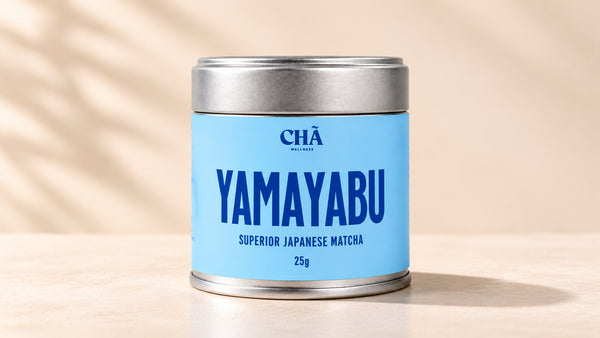
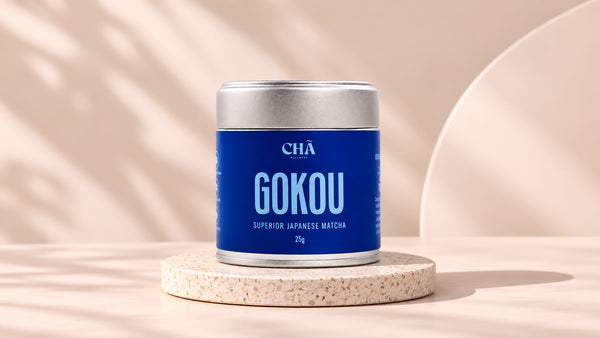
CHÃ’s Okumidori, Yamayabu, and Gokou are all first harvest. Each one is shade-grown for 20 to 30 days before picking, which drives chlorophyll and L-theanine even higher by forcing the plant to produce more of both in response to reduced light.
What Is Second Harvest Matcha?
Second harvest matcha, known as nibancha, is picked later in the season, typically between June and August, after the plant has had time to recover and regrow following the first flush. The leaves are slightly larger, less concentrated in amino acids, and produce a smoother, less intense flavour profile that works exceptionally well in lattes and everyday preparation.
Second harvest ceremonial grade is still high quality matcha. The distinction from first harvest is not about grade dropping. It is about the leaf having less accumulated winter nutrition and more summer growth energy behind it.
The flavour is cleaner and more approachable. Less umami depth, lower bitterness risk, and a profile that blends seamlessly with milk without the intensity of a first harvest overwhelming the latte.
CHÃ’s AAA Matcha and House Matcha are both second harvest ceremonial grade from Shizuoka. They are smooth, consistent, and ideal for building a daily matcha habit without needing to think too carefully about preparation.

CHÃ WELLNESS · JAPANESE MATCHA
Discover AAA Matcha
Smooth, refined and approachable. Discover second-harvest Japanese matcha from Shizuoka.
Explore AAA MatchaFirst Harvest vs Second Harvest: A Direct Comparison
|
Feature |
First Harvest (Ichibancha) |
Second Harvest (Nibancha) |
|
Harvest season |
Spring, March to May |
Summer, June to August |
|
L-theanine concentration |
High, 34 to 46mg per 2g serving |
Moderate |
|
Flavour profile |
Umami, complex, full-bodied |
Smooth, clean, approachable |
|
Colour |
Vivid bright green |
Medium green |
|
Best for |
Drinking straight, ceremonial prep |
Lattes, daily habit, beginner |
|
CHÃ products |
Okumidori, Yamayabu, Gokou |
AAA Matcha, House Matcha |
|
Price range |
₹2,999 to ₹3,499 |
₹1,199 to ₹1,499 |
Why Does Harvest Timing Affect L-Theanine?
L-theanine accumulates in the Camellia sinensis leaf during winter dormancy and reaches its peak concentration in the first flush of spring. As the growing season continues and subsequent harvests are taken, the plant has less stored nutrition to draw on, producing leaves with gradually lower L-theanine content with each passing flush.
L-theanine is the compound responsible for the calm alertness that matcha drinkers describe. It works alongside caffeine, around 60 to 80mg per 2g serving, to produce focused energy without the jitteriness or crash that coffee triggers.
First harvest matcha, with 34 to 46mg of L-theanine per 2g serving, gives you the most pronounced version of that effect. The energy is steady, the focus is clean, and there is no afternoon slump.
Research in nutritional science has found that L-theanine promotes alpha wave activity in the brain, associated with relaxed alertness. This effect is present in all ceremonial grade matcha, but it is most consistent in first harvest where the concentration is highest.
The benefits of drinking ceremonial grade matcha daily goes deeper into what these compounds actually do over time.
If you want to feel what high L-theanine matcha is like, first harvest from Shizuoka is the clearest example available in India right now.
Which One Should You Choose?
Choose first harvest matcha if you drink matcha straight, care about flavour complexity, or want the highest L-theanine and EGCG concentration available. Choose second harvest if you primarily make lattes, are building a daily habit, or want a smooth and approachable ceremonial grade without the premium price.
This is not a hierarchy where one is better than the other. They serve different moments.
First harvest is the matcha you slow down for. You brew it properly, drink it without milk at least some of the time, and pay attention to what is in the bowl. The complexity rewards that attention.
Second harvest is the matcha you reach for at 7am without thinking. It goes into your oat milk latte, it is consistent, it does not punish you for using water that is slightly too hot, and it costs less per serving. That reliability has real value.
Most experienced matcha drinkers keep both. A first harvest for weekends or mindful moments, a second harvest for daily routine.
New to matcha? Start with CHÃ’s AAA Matcha at ₹1,199. It is second harvest ceremonial grade from Shizuoka, smooth enough for lattes, and forgiving enough to learn with. Over 2,000 CHÃ customers reviewed this approach and 95 percent drink it four to six times per week, which tells you the daily habit sticks.
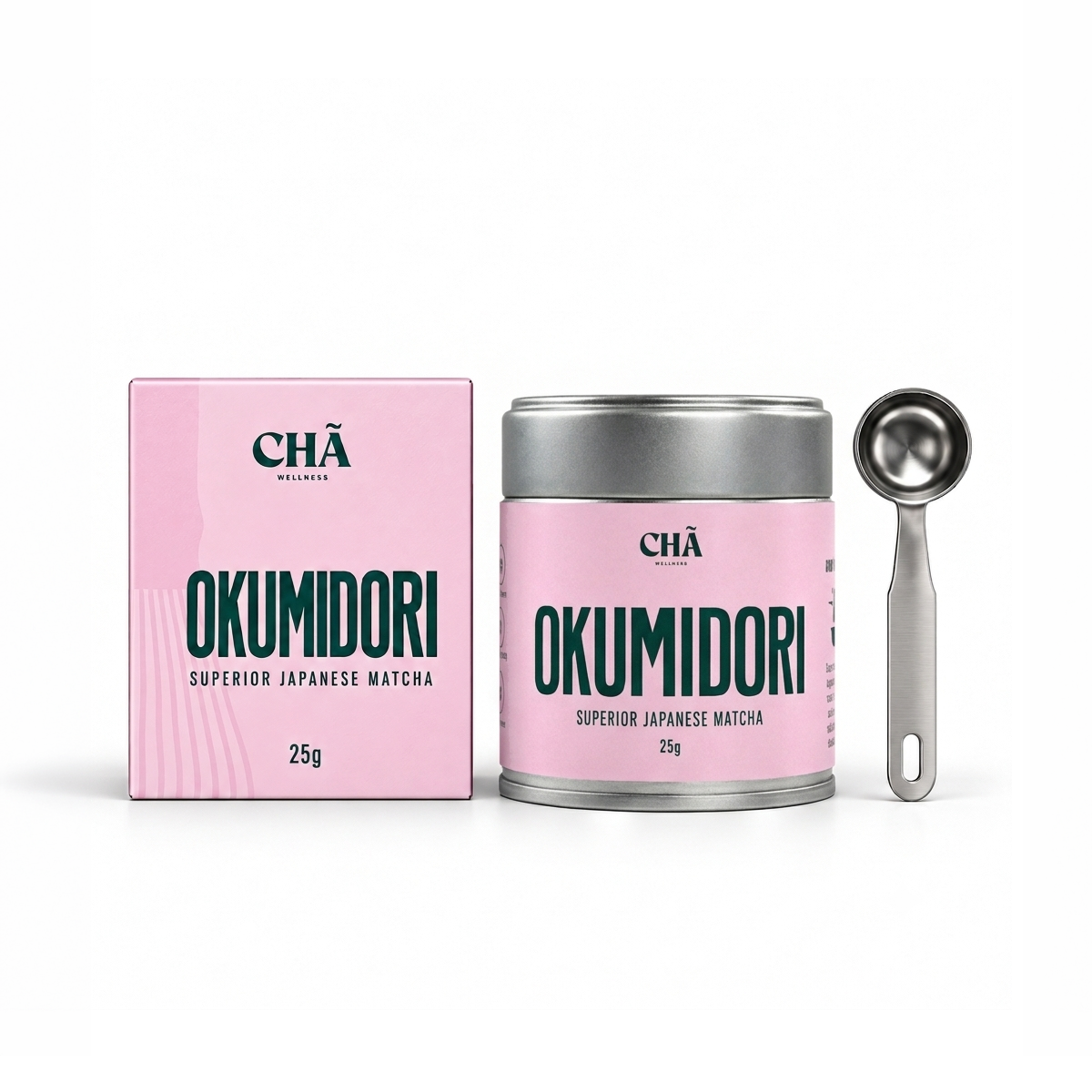
Already drinking matcha regularly? CHÃ’s Okumidori is where first harvest makes the most sense as your next step. Try it straight before you add milk.
CHÃ WELLNESS · JAPANESE MATCHA
Discover Okumidori
Smooth, refined and balanced. Experience first-harvest Japanese matcha from Shizuoka.
Explore OkumidoriDoes Second Harvest Matcha Still Count as Ceremonial Grade?
Yes. Ceremonial grade refers to the quality standard and processing method, not the harvest position. Second harvest matcha can meet ceremonial grade standards when shade-grown, hand-picked, stone-ground, and properly processed. CHÃ’s AAA Matcha and House Matcha are both second harvest ceremonial grade from Shizuoka, FSSAI certified, and tested at origin.
The confusion happens because some brands use ceremonial grade loosely. Grade is about how the leaf was grown, picked, processed, and ground. A first harvest leaf that is poorly shade-grown or machine-harvested can fall short of a second harvest leaf that was done properly.
This is why sourcing transparency matters. CHÃ visited farms in Japan directly and tasted over 12 varieties before selecting its range. The grade designation on every CHÃ sachet reflects that process, not a label applied after the fact.
How to Brew Each Harvest Correctly
First harvest matcha rewards precise preparation. Use water at 75 to 80°C, sift the powder, and whisk in a W motion for 20 to 30 seconds. Second harvest matcha is more forgiving and handles water up to 85°C without bitterness, making it more practical for daily latte preparation.
For first harvest, the temperature discipline is worth it. Boiling water at 100°C will scorch the chlorophyll and push bitterness into a cup that has none naturally. The 10 minute difference between boiling water and letting it cool to 80°C changes the cup entirely.
For second harvest lattes, the preparation is simpler. Sift, add warm water, whisk briefly, then pour steamed or frothed milk over the top. The smooth profile of second harvest means it blends without fighting the milk.
Storing both correctly extends the quality window. Once opened, keep the sachet sealed, in a cool dry place, away from light. The how to store matcha powder guide covers exactly what that looks like in practice.
Which CHÃ Matcha Is First Harvest and Which Is Second?
CHÃ offers three first harvest ceremonial grade matchas, Okumidori and Yamayabu from Uji Kyoto, and Gokou from Shizuoka, priced between ₹2,999 and ₹3,499. The two second harvest options are AAA Matcha and House Matcha, both from Shizuoka, priced at ₹1,199 and ₹1,499 respectively. All five are FSSAI certified ceremonial grade.
Here is a quick reference:
|
CHÃ Product |
Harvest |
Origin |
Price |
Best for |
|
AAA Matcha |
Second harvest |
Shizuoka |
₹1,199 |
Beginners, daily lattes |
|
House Matcha |
Second harvest |
Shizuoka |
₹1,499 |
Everyday ritual, versatile |
|
Okumidori |
First harvest |
Shizuoka |
₹3,499 |
Straight, connoisseurs |
|
Yamayabu |
First harvest |
Uji Kyoto |
₹2,999 |
Clean, smooth, Kyoto origin |
|
Gokou |
First harvest |
Uji Kyoto |
₹2,999 |
Bold, intense, experienced drinkers |
Explore the full CHÃ matcha collection to compare all five and find where you want to start.
Frequently Asked Questions
What is the difference between first harvest and second harvest matcha?
First harvest matcha, called ichibancha in Japan, is picked in early spring from leaves that accumulated nutrients over winter. It has higher L-theanine concentration, more vivid colour, and more complex umami flavour. Second harvest matcha is picked later in the season and has a smoother, cleaner profile that works well in lattes and daily preparation.
Is first harvest matcha better than second harvest?
First harvest matcha has higher L-theanine and EGCG concentration, richer flavour, and a more vivid green colour. Second harvest is smoother, more approachable, and better suited to lattes and everyday use. Neither is objectively better. The right choice depends on how you drink your matcha and what experience you are looking for.
Is second harvest matcha still ceremonial grade?
Yes. Ceremonial grade refers to the quality of shade-growing, hand-picking, stone-grinding, and processing, not the harvest position. CHÃ’s AAA Matcha and House Matcha are second harvest ceremonial grade from Shizuoka, FSSAI certified, and tested at origin for purity.
Which matcha is best for beginners?
Second harvest ceremonial grade is the best starting point for beginners. CHÃ’s AAA Matcha at ₹1,199 is smooth, forgiving in preparation, and works well in lattes. Once the daily habit is set and your palate is calibrated, first harvest options like Okumidori give you a clear upgrade path.
Which CHÃ matcha is first harvest?
CHÃ’s Okumidori from Shizuoka at ₹3,499, Yamayabu from Uji Kyoto at ₹2,999, and Gokou from Uji Kyoto at ₹2,999 are all first harvest ceremonial grade matchas. AAA Matcha and House Matcha are second harvest. All five are single-origin, FSSAI certified, and delivered across India.