The rain is here. The air smells different. The city slows down just enough to notice.
And somewhere between the second and third cup of chai, you start to wonder if there is something better for this season. Something warm, something intentional, something that does not leave you crashing by 4pm with a sugar headache and a craving for another cup.
There is. And monsoon is actually the best possible time to find it.
What Is the Best Warm Drink for Monsoon?
The best warm drink for monsoon is one that delivers warmth, calm energy, immunity support, and genuine nourishment without the sugar load that most people unknowingly carry through three to four cups of chai a day. Matcha does all four simultaneously.
Monsoon is not just a weather event. It is a season that changes what your body needs. The drop in temperature, the humidity, the reduced sunlight, the slower pace all of it shifts your energy and immunity requirements in a direction that chai, for all its comfort, is not equipped to fully address.
Chai gives you warmth and spice. Those are real benefits. But it also gives you 8 to 12 grams of added sugar per cup, a caffeine spike that peaks and drops, and milk that adds calories without adding function. Three cups a day which is conservative for most people delivers 25 to 35 grams of added sugar before dinner.
Matcha gives you warmth too. And calm focus. And L-theanine. And EGCG antioxidants. And zero added sugar when made correctly. In a season when your immune system is working harder and your energy needs to hold steadily through grey, slow days matcha is genuinely the better choice.
Matcha Instead of Chai What Actually Changes
Switching to matcha instead of chai during monsoon does not mean giving up comfort. It means upgrading what comfort delivers. The warmth stays. The ritual stays. The sugar crash, the mid-afternoon dip, and the empty calories leave.
The swap is not as dramatic as it sounds. Both are warm drinks. Both require a few intentional minutes to make. Both fit naturally into a slow monsoon morning or a grey afternoon pause.
What changes is what happens an hour later.
After chai, most people feel the initial lift and then the drop. The caffeine spikes, the sugar spikes, the milk sits heavy, and by mid-afternoon you are reaching for the next cup not because you want it but because you need to recover from the last one.
After matcha, the energy builds slowly and holds. L-theanine the amino acid unique to matcha modulates caffeine absorption so it releases over 3 to 6 hours rather than peaking and crashing. No spike. No drop. Just steady, present energy that carries you through a full monsoon workday without the 4pm collapse.
If you want the full comparison between the two drinks, our matcha vs chai guide covers every angle antioxidants, caffeine, sugar, taste, and when each one actually makes sense.
Matcha for Immunity During Monsoon : The Science Behind It
Matcha for immunity during monsoon works through EGCG epigallocatechin gallate one of the most studied plant antioxidants in nutrition science. EGCG supports cellular protection, reduces oxidative stress, and has been linked to enhanced immune response with consistent daily use. Monsoon is exactly when consistent daily use pays off most.
Monsoon season brings real immune challenges. More moisture means more airborne pathogens. Less sunlight means lower vitamin D. More indoor time means closer proximity to whatever is going around. Your immune system is quietly working harder than usual, and what you drink every day is either supporting that work or adding to the load.
Matcha supports it. The EGCG in genuine ceremonial grade matcha is significantly more bioavailable than the catechins in brewed green tea because you are consuming the entire leaf, not steeping and discarding it. Every cup delivers the full compound profile of the leaf not a fraction of it.
The benefits of drinking ceremonial grade matcha daily compound over time. Monsoon gives you the perfect reason to start or to take your matcha ritual more seriously than you have been.
What Matcha Does for Your Skin During Monsoon
Monsoon humidity creates a specific skin challenge increased moisture in the air combined with sweat and pollution clogs pores, triggers breakouts, and accelerates oxidative stress at the skin's surface. The EGCG and chlorophyll in ceremonial grade matcha work from the inside to reduce that oxidative stress at a cellular level something no topical product can fully replicate.
Monsoon is hard on skin. The humidity does not hydrate the skin the way people assume it creates a surface moisture that traps everything underneath, including pollution particles, dead cells, and sebum. The result for most people is a combination of dullness, congestion, and breakouts that peak around August and September.
Drinking matcha daily during monsoon gives your skin a different kind of support internal antioxidant protection that targets the free radicals responsible for the seasonal skin decline most people just accept as normal.
L-theanine also helps here in a way most skin guides miss entirely. Chronically elevated cortisol which disrupts skin barrier function and triggers inflammation is modulated by L-theanine's calming effect. Lower cortisol over time means less inflammatory skin response. The matcha for skin health blog covers this mechanism in full if you want the complete picture.
Why Monsoon Humidity Makes Matcha Storage Critical
Storing matcha correctly during monsoon is not optional it is the difference between a cup that delivers everything above and a cup that delivers almost none of it. Humidity is the fastest way to ruin good matcha, and monsoon in coastal cities creates exactly the conditions that destroy L-theanine and chlorophyll in days rather than weeks.
This is the part most monsoon wellness guides completely skip.
Matcha powder is hygroscopic; it actively absorbs moisture from the surrounding air. Even small amounts of humidity cause the powder to clump irreversibly, degrade the L-theanine that gives matcha its sweetness and focus effect, and accelerate the oxidation of the EGCG antioxidants you are drinking it for.
Mumbai's ambient humidity during monsoon averages 80 to 85%. Chennai sits similarly. In those conditions, an opened sachet of matcha left in a poorly sealed container can degrade meaningfully in 7 to 10 days not 4 to 6 weeks as standard guidance suggests.
The fix is simple: airtight container, opaque, away from any steam source, and ideally refrigerated during peak monsoon months with the sealed container brought to room temperature before opening each time. The complete guide to how to store matcha powder correctly including the specific adjustments for Indian monsoon conditions is worth reading before the season peaks.
The Best Warm Matcha Drinks for Monsoon Days
The best warm matcha drink for a rainy day is a classic hot matcha latte whisked ceremonial grade matcha with warm oat milk and nothing else. No sweetener needed when the grade is right. Five minutes. One cup. The kind of warmth that holds through the afternoon.
Here are three matcha preparations that fit monsoon perfectly:
Hot Matcha Latte : The Monsoon Daily
The simplest and most satisfying. Sift 1.5 teaspoons of CHÃ ceremonial grade matcha into a warmed cup. Add 50ml of water at 80°C not boiling, never boiling. Whisk in a W motion for 20 seconds until a fine foam forms. Heat 180ml of oat milk to 65°C and pour slowly over the matcha base. That is it. No sugar. No syrup. The matcha's natural sweetness and the oat milk's creaminess do everything.
For the full step-by-step hot matcha latte recipe with ratios, temperatures, and milk options, the how to make matcha latte at home guide covers everything.
Spiced Matcha : For When You Miss Chai
Prepare your matcha base as above. Add a pinch of cardamom and a very small amount of ginger powder to the oat milk before frothing. The spice warms the cup in exactly the way monsoon demands without the sugar, without the crash, and with the full L-theanine focus effect underneath it all.
When to Drink Matcha During Monsoon
The best time to drink matcha during monsoon is mid-morning 1 to 2 hours after waking when cortisol levels have begun their natural decline and the L-theanine and caffeine in matcha can work with your biology rather than against it. A second cup between 1pm and 3pm catches the post-lunch monsoon slump before it becomes a full grey-day collapse.
The best time to drink matcha guide covers the cortisol timing science in full. During monsoon specifically, one additional timing note matters: avoid matcha after 3pm if the reduced daylight is already affecting your sleep quality the caffeine half-life of 5 to 6 hours means late matcha compounds any sleep disruption the season is already creating.
Matcha Over Coffee and Chai This Monsoon
Monsoon is a natural reset point. The season changes your rhythm it slows mornings, lengthens afternoons, and creates a cultural permission to be a little more deliberate about how you spend quiet moments indoors.
That deliberateness is exactly what a matcha ritual is built for. Not the rushed espresso pulled between meetings. Not the habitual chai that you make and drink without thinking about it. A cup that takes five minutes of intention and gives back four hours of calm focus.
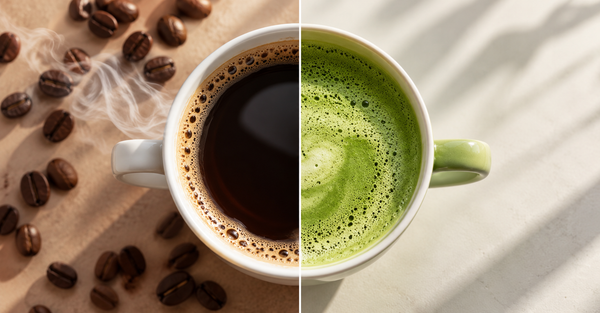
If you have been considering matcha over coffee as your daily switch, monsoon is the lowest-friction moment to try it. The season creates the perfect context slower mornings, a craving for warmth without energy spikes, and the kind of grey quiet that makes a whisked cup of matcha feel exactly right.
Why Grade Matters More During Monsoon
The immunity, skin, and energy benefits described above are specific to genuine ceremonial grade matcha not culinary grade powder, not blended products, and not generic "matcha" with no origin transparency.
During monsoon, when your immune system and energy reserves are under seasonal pressure, the grade of your matcha determines whether you actually receive those benefits or just a warm green drink with minimal functional value.
Best matcha powder in India from CHÃ Wellness is ceremonial grade AAA the highest classification available sourced directly from verified Japanese farms, stone-ground in small batches, and packed to preserve maximum L-theanine and EGCG through transit and monsoon storage conditions.
Explore the full range of ceremonial grade matcha ( AAA )from CHÃ Wellness and make this monsoon the season your daily ritual actually changes.
Frequently Asked Questions
Is matcha good during monsoon?
Yes. Matcha is one of the best drinks for monsoon specifically because it delivers warm comfort, sustained energy through grey slow days, EGCG antioxidants for immune support, and zero added sugar addressing four of the core challenges the season creates simultaneously. The combination of L-theanine and natural caffeine makes it particularly suited to the kind of calm, focused energy monsoon days demand without the sugar spikes and crashes of chai.
Does matcha boost immunity during monsoon?
Matcha contains EGCG one of the most studied plant antioxidants in nutrition science which supports cellular protection and immune response with consistent daily use. Monsoon is when consistent daily matcha intake pays off most, as the season brings increased airborne pathogens, reduced sunlight, and higher immune system demand. Genuine ceremonial grade matcha delivers significantly more bioavailable EGCG than brewed green tea because you consume the entire leaf.
How do I make a hot matcha latte at home during monsoon?
Sift 1.5 teaspoons of ceremonial grade matcha into a warmed cup. Add 50ml of water at 80°C and whisk in a W motion for 20 seconds until fine foam forms. Heat 180ml of oat milk to 65°C and pour slowly over the matcha base. No sweetener needed when the grade is right. The full step-by-step hot matcha latte recipe with ratios and milk options is available in our dedicated matcha latte guide.
What should I drink instead of chai during monsoon?
Matcha is the most functional swap for chai during monsoon it delivers the warmth and ritual of chai without the 8 to 12 grams of added sugar per cup that traditional chai carries. The L-theanine in matcha produces sustained calm energy over 3 to 6 hours rather than chai's faster caffeine spike and drop. For people who love chai's spice warmth, a spiced matcha with cardamom and ginger in oat milk delivers that same comfort with significantly better functional value.
Is matcha better than chai during monsoon?
For functional wellness during monsoon yes. Matcha delivers immunity support through EGCG, sustained calm energy through L-theanine, skin support through chlorophyll and antioxidants, and zero added sugar. Chai delivers digestive warmth through ginger and cardamom real benefits but comes with 8 to 12 grams of added sugar per cup and a faster caffeine pattern that suits the monsoon season less well. The two drinks are not mutually exclusive matcha in the morning for function, chai in the afternoon for comfort, is a combination many people find works naturally.